
Category: parenting

  • Understanding the Signs: Recognizing Symptoms of Autism

    Understanding the Signs: Recognizing Symptoms of Autism

    Autism, also known as Autism Spectrum Disorder (ASD), is a neurodevelopmental condition that affects how a person communicates, interacts, and behaves. It is called a “spectrum” because symptoms vary significantly from one individual to another—no two people with autism are exactly the same.

    Recognizing these symptoms early empowers teachers, parents, and students to provide the necessary support and foster an inclusive environment.


    1. Communication Difficulties

    Communication is one of the primary areas where autism manifests. This can range from non-verbal communication to challenges with social nuances.

    • Delayed speech or a total absence of expressive language.
    • Difficulty expressing complex thoughts or feelings.
    • Echolalia: Repeating specific words or phrases out of context.
    • Limited eye contact during conversations.

    Example: A student may fully understand a teacher’s question but struggle to formulate a verbal response.


    2. Social Interaction Challenges

    Navigating social “rules” can be overwhelming for individuals on the spectrum.

    • Difficulty making or maintaining friendships.
    • A strong preference for solitary play or working alone.
    • Misunderstanding social cues, such as facial expressions or tone of voice.
    • Appearing uninterested in casual “small talk.”

    Example: A student might not respond when their name is called. This often isn’t rudeness; it’s a result of how their brain processes social stimuli.


    3. Repetitive Behaviors

    Predictability provides a sense of security for many people with autism.

    • Self-stimulatory behaviors: Repeating physical actions like hand-flapping, rocking, or spinning.
    • Rigid routines: A deep need for things to happen in a specific order.
    • Distress over change: Even small deviations from a schedule can cause significant anxiety.

    Example: A student may insist on sitting in the exact same seat every day and feel genuine distress if that seat is unavailable.


    4. Sensory Sensitivity

    The world can be “too loud” or “too bright” for someone with sensory processing differences.

    • Overreaction or underreaction to sounds, lights, textures, or touch.
    • Covering ears or closing eyes in busy environments.
    • Discomfort with specific clothing textures (like tags or wool) or physical contact.

    Example: A standard noisy classroom or a buzzing fluorescent light may feel physically painful or overwhelming to a student with autism.


    5. Intense Interests or Focus

    Many individuals with autism possess “spiky profiles,” where they excel tremendously in specific areas.

    • Hyper-fixation: A deep, encyclopedic interest in specific topics (e.g., trains, astronomy, or coding).
    • High levels of focus: The ability to work on a single activity for extended periods.

    Example: A student may display an extraordinary talent for drawing or an incredible ability to memorize complex sets of data.


    Important Considerations

    It is vital to remember that autism is not a “one size fits all” diagnosis.

    • Not all students will show every symptom listed above.
    • The level of support needed varies from person to person.
    • Symptoms can change as a child grows and develops coping strategies.

    “I am different, not less.” — Temple Grandin


    Final Thought

    Understanding the symptoms of autism is not about labeling—it is about supporting and including. When we recognize these signs, we can respond with patience, kindness, and the right tools. Every student deserves to be understood and given the opportunity to succeed.

  • The Dyslexic Advantage: Global Icons Who Turned a “Struggle” Into a Superpower

    The Dyslexic Advantage: Global Icons Who Turned a “Struggle” Into a Superpower

    For decades, the traditional classroom has measured brilliance by how fast a child can read a sentence or how accurately they can spell a word. But history tells a different story.

    Some of the most influential minds in law, medicine, media, and technology didn’t just overcome dyslexia—they used the unique “big-picture” wiring of their brains to revolutionize their industries.

    “Dyslexia is not a sign of low intelligence. It’s an indicator of a mind that is built for more than just the basics.”


    🎬 In Media & Entertainment: Steven Spielberg

    Before he was the most famous director in the world, Spielberg dreaded being called on to read in class. He wasn’t diagnosed until his 60s, having spent his youth labeled as “lazy” by teachers.

    • The Superpower: Spielberg realized that while he couldn’t process text quickly, he could process visual stories with a depth others couldn’t see.
    • The Quote: “Dyslexia was the last puzzle piece in a great mystery that I’ve kept to myself.”

    ⚖️ In Law & Advocacy: David Boies

    A career in law—a field defined by massive stacks of documents—might seem impossible for someone with dyslexia. Enter David Boies, one of the most powerful trial lawyers in America (famous for Bush v. Gore).

    • The Superpower: Because he couldn’t rely on skimming notes, he mastered a “super-memory” and the art of listening. His dyslexia forced him to be more prepared and observant than any opponent.

    🚀 In Medicine & Science: Dr. Maggie Aderin-Pocock

    A world-renowned space scientist, Maggie was placed in remedial classes as a child. She attended 13 different schools and was often told her dreams were unrealistic.

    • The Superpower: She used visual thinking to master the complexities of the universe, eventually building instruments for the James Webb Space Telescope.
    • The Quote: “I am a dyslexic. I struggled at school. But I had a dream, and that dream was to get to space.”

    📖 In Psychology & Literature: F. Scott Fitzgerald

    The author of The Great Gatsby struggled with spelling his entire life and was even kicked out of school for failing grades.

    • The Superpower: His ability to synthesize social patterns and human emotion led to some of the greatest literature in history. He saw the “narrative” of life where others only saw the details.

    Why the Dyslexic Brain Thrives

    Science shows that the dyslexic brain is often more interconnected in areas responsible for innovation, empathy, and spatial reasoning.

    ProfessionHow Dyslexia Becomes an Asset
    LawyersBecome master orators by focusing on the heart of the argument.
    DoctorsHigh diagnostic accuracy by seeing symptoms as a “system.”
    Entrepreneurs(Like Richard Branson) Natural delegators and creative risk-takers.

    Export to Sheets


    The Path Forward with Skills and Career Paths

    At skillsandcareerpaths.com, we don’t want you to just “get by.” We want you to lead.

    “The greatest burden of dyslexia isn’t the difficulty with reading; it’s the weight of being misunderstood by those who are supposed to guide you.”

    Through our Support Therapy Program, we provide the tools—from multisensory literacy to AI-driven assistive technology—to help you stop fighting your brain and start using it.

    🌟 Ready to Unlock Your Superpower?

    [Visit Skillsandcareerpaths.com Today] Don’t let a label define your limit. Join the ranks of those who saw the world differently—and changed it.

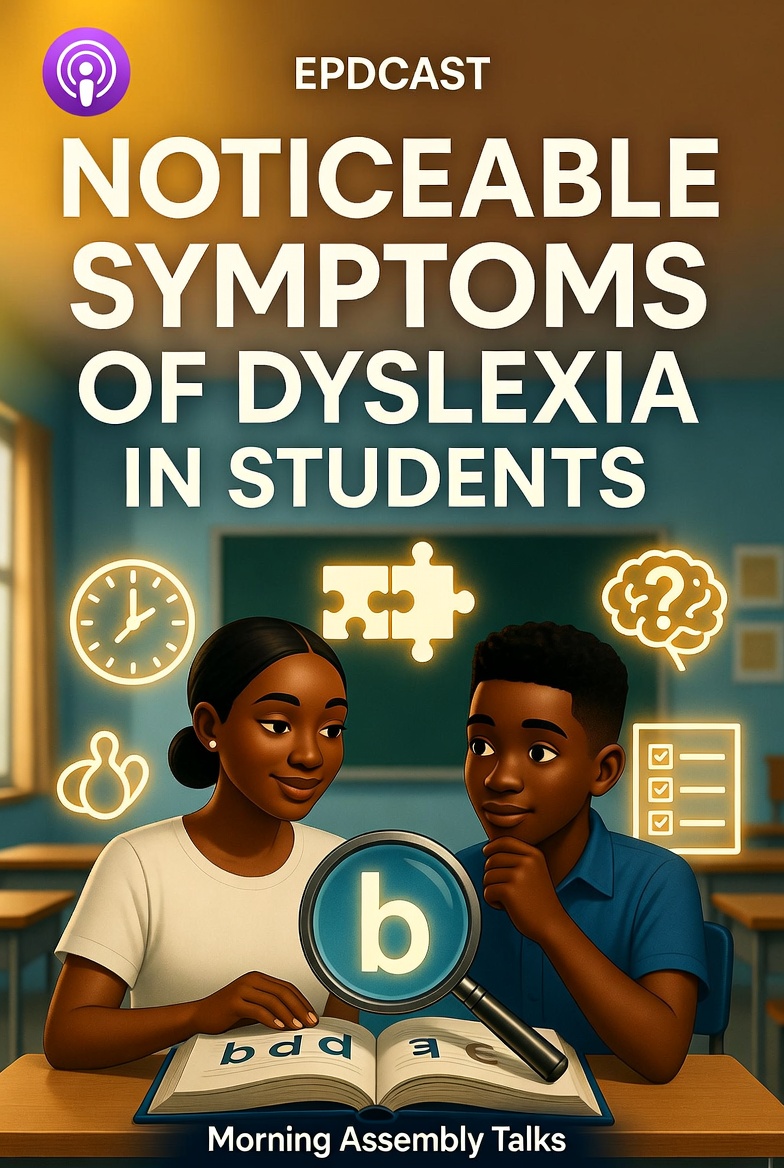
  • Noticeable Symptoms of Dyslexia in Students

    Noticeable Symptoms of Dyslexia in Students

    Dyslexia is a learning difference that affects how students process written language. It makes reading, writing, and spelling more challenging—even for bright and capable learners. Because it is a “hidden” difference, recognizing the signs early is the first step toward unlocking a student’s potential.

    📋 Common Signs to Watch For

    If you notice a student consistently struggling with the following tasks, it may be time to consider a specialized assessment:

    • Letter and Word Reversals: Confusing letters (e.g., b vs. d, p vs. q) or “mirror reading” words (e.g., was instead of saw).
    • Inconsistent Spelling: Spelling the same familiar word differently within the same paragraph, even after repeated practice.
    • Sight Word Struggles: Difficulty recognizing high-frequency words instantly, which slows down reading speed and comprehension.
    • Color Confusion: Unexpectedly mixing up color names (e.g., calling green “blue” or red “brown”).
    • Avoidance Tactics: Reading slowly, losing their place often, or avoiding reading aloud due to frustration or embarrassment.
    • Sequencing Difficulties: Trouble remembering ordered information, such as strings of numbers, multi-step instructions, or the steps in a specific task.
    • The “Disengagement” Mask: Appearing bored or disengaged in class despite showing high curiosity and intelligence in verbal discussions.

    Why Early Recognition Matters

    These signs are not a reflection of a student’s intelligence, ability, or effort. In fact, many students with dyslexia are highly creative and excel in problem-solving.

    Recognizing these symptoms early allows students to:

    1. Access Targeted Support: Implementing strategies like multisensory learning.
    2. Build Confidence: Removing the “stigma” of being a “slow learner.”
    3. Unlock Potential: Allowing their academic and creative strengths to shine through.

    Take Action: If you are a teacher or school owner at Skills and Career Paths, use this checklist during your next classroom observation. Early intervention is the bridge to a student’s success

  • Why Teachers and School Owners Often Don’t Recognize Dyslexia: A Historical and Psychological Perspective

    Why Teachers and School Owners Often Don’t Recognize Dyslexia: A Historical and Psychological Perspective

    Despite decades of research, dyslexia remains widely misunderstood in schools. Many educators and administrators mistake its symptoms for laziness, inattentiveness, or a lack of effort. This oversight leads to students being unfairly labeled as “slow learners,” while their true potential remains locked behind a learning difference.

    The Evolution of Misunderstanding: A Brief History

    To understand why we struggle to recognize dyslexia today, we must look at how our understanding of the condition has evolved—and where it got stuck.

    19th Century: “Word Blindness”

    The term “dyslexia” was first introduced in the late 19th century by German physician Oswald Berkhan. Later, Adolf Kussmaul observed children who struggled to read despite having normal intelligence.

    • The Flaw: Early research viewed dyslexia purely as a medical “word blindness.” This medicalized view was rarely shared with teachers, leaving it inaccessible to the average classroom.

    20th Century: Brain-Based Processing

    Psychologists like Samuel Orton began linking dyslexia to neurological differences in language processing.

    • The Gap: While Orton’s work was revolutionary, it remained confined to specialists. Regular educators were rarely trained to spot subtle signs like letter reversals or sequencing challenges.

    The Psychological Trap

    Myth: The student isn’t trying hard enough. Reality: The student is working twice as hard as their peers to process the same information, leading to cognitive fatigue and “perceived” inattentiveness.


    The Modern Challenge in Schools

    Even today, especially in regions like Nigeria, teacher training programs often provide minimal coverage of learning differences.

    • Prioritizing Performance: School owners often focus on standardized academic results. This “one-size-fits-all” approach unintentionally overlooks students who process information differently.
    • The Silent Struggle: Without early screening, students with dyslexia often become “disruptive” as a defense mechanism to hide their reading struggles, further masking the real issue.

    A Call to Action for Educators

    Understanding dyslexia is not just about identifying reading difficulties—it is about recognizing a student’s unique learning profile. To bridge this historical gap, schools must:

    1. Invest in Training: Move beyond general education and learn specific dyslexia intervention.
    2. Early Screening: Implement assessments early in a child’s academic journey.
    3. Individualized Support: Create environments that celebrate creative potential alongside academic growth.

    Don’t let this hidden struggle go unnoticed. Your awareness can be the catalyst that unlocks a child’s future.

  • Therapy and IEP Programs for Dyslexia: Unlocking Every Student’s Potential

    Therapy and IEP Programs for Dyslexia: Unlocking Every Student’s Potential

    Dyslexia is a learning difference that requires targeted strategies and consistent support. To help students thrive academically and emotionally, structured therapy combined with an Individualized Education Program (IEP) is essential.

    1. Evidence-Based Therapy for Dyslexia

    Therapy focuses on developing specific skills through research-backed approaches. A successful program typically includes:

    • Phonics & Decoding: Connecting letters with sounds and blending them into words.
    • Sight Word Recognition: Strengthening the ability to instantly recognize high-frequency words.
    • Fluency & Comprehension: Guided practice to improve reading speed, accuracy, and understanding.
    • Writing & Spelling Support: Structured exercises to correct patterns and improve clarity.
    • Memory & Sequencing: Training to support short-term memory and following multi-step instructions.
    • Emotional Resilience: Counseling to help students cope with frustration and build self-esteem.

    2. The Power of the Individualized Education Program (IEP)

    An IEP isn’t just paperwork; it’s a personalized roadmap tailored to each student’s unique neurodiversity. A strong IEP includes:

    FeaturePurpose
    Specific GoalsClear targets for reading, writing, and core subjects.
    Custom AccommodationsExtra time, multisensory instruction, or assistive tech.
    Progress MonitoringRegular assessments to ensure the strategies are working.
    Team CollaborationAlignment between teachers, therapists, and support staff.

    Export to Sheets


    3. The Vital Role of Parental Collaboration

    Parental involvement is the “secret sauce” that makes therapy and IEPs stick. When the home and school environments align, the student feels supported 24/7.

    How Parents Can Help:

    • The Feedback Loop: Providing insights into the child’s emotional needs and strengths outside of school.
    • Home Reinforcement: Practicing reading drills and memory exercises in a low-pressure environment.
    • Active Advocacy: Ensuring the school implements the IEP effectively and adjusts it as the child grows.
    • Consistent Encouragement: Boosting the child’s confidence to persist through difficult tasks.

    Conclusion: A Holistic Support System

    Combining targeted therapy, a well-structured IEP, and strong parent collaboration creates a safety net for students with dyslexia. When we work together, these students don’t just “get by”—they discover their unique strengths, build independence, and develop lifelong skills.

    Editor’s Note: Ready to implement these strategies in your classroom? Join the Skills and Career Paths Teachers Hub to access our full library of dyslexia resources and IEP templates.

  • The Silent Struggle: How to Recognize and Support Your Child’s Emotional Health

    The Silent Struggle: How to Recognize and Support Your Child’s Emotional Health

    Not all struggles are visible. A child can be neatly dressed, attending school, and even smiling—yet still be hurting deeply inside.

    Emotional struggles in children rarely come with loud announcements. They show up in small changes: a quiet withdrawal, sudden flashes of anger, or unusual shifts in behavior. Many parents miss these signs, not because they don’t care, but because they haven’t been taught what to look for.

    “Children don’t always say ‘I’m hurting.’ Sometimes, they show it in ways we don’t understand.”

    Understanding these signs early can make the difference between a child who suffers in silence and a child who feels seen, heard, and supported.


    Zara’s Story: The Quiet Change

    A mother once noticed her daughter, Zara, had changed. Zara used to be lively—sharing stories and laughing after school. But gradually, she became quiet. She stayed in her room longer and lost interest in her favorite hobbies. Her grades began to slip.

    At first, her mother thought, “It’s just a phase.” Until one evening, Zara said softly: “Mummy, I feel like I’m not good enough anymore.” That moment changed everything. What looked like “normal teenage behavior” was actually deep emotional distress.

    “Sometimes, the biggest cries for help are the quietest ones.”


    7 Warning Signs Your Child is Struggling

    Every child is different, but these are the key red flags that suggest something deeper is happening:

    1. Sudden Change in Behavior: Becoming unusually withdrawn, irritable, or losing interest in activities they once loved.
    2. Academic Decline: A drop in grades or a lack of concentration. This is often not “laziness,” but a sign of being emotionally overwhelmed.
    3. Withdrawal: Spending excessive time alone and avoiding family conversations or social interactions.
    4. Negative Self-Talk: Saying things like “I’m stupid” or “I’m not good enough.”
    5. Physical Changes: Significant shifts in sleep patterns (too much or too little) or changes in appetite.
    6. Increased Sensitivity: Overreacting to small issues or crying more frequently than usual.
    7. Acting Out: Sudden disobedience or aggression. Sometimes, children “misbehave” because they don’t have the words to express their pain.

    “What looks like misbehavior may actually be a cry for help.”


    Understanding the Triggers

    Understanding the why helps you respond with grace. Common triggers for emotional distress include:

    • Heavy academic pressure or fear of failure.
    • Comparison with high-achieving peers or siblings.
    • Bullying or social challenges at school.
    • High family expectations or conflict at home.
    • Social media influence and self-image issues.

    How to Be the Support Your Child Needs

    1. Create a Safe Space

    Let your child know they can talk to you without fear of punishment. Use open-ended questions like, “How are you really feeling today?”

    “A child who feels safe will speak; a child who feels judged will hide.”

    2. Listen Deeply, Not Quickly

    Sometimes, children don’t need a lecture or a solution—they just need to be heard. Maintain eye contact, be patient, and validate their feelings by saying: “I understand why that would make you feel that way.”

    3. Reduce Pressure, Increase Support

    Focus on their effort rather than just their results. Encourage progress over perfection.

    4. Collaborate with Professionals

    Don’t be afraid to reach out to teachers and school counselors. They see your child in a different environment and can offer valuable insights. If signs persist, seeking the help of a psychologist or counselor is a sign of wisdom, not weakness.


    What NOT to Do: Common Mistakes

    • Ignoring the signs: Assuming “they’ll be fine” or “it’s just a phase.”
    • Blaming: Shouting at them for their behavior or grades.
    • Minimizing: Dismissing their feelings as “unimportant” or “small.”

    “Minimizing a child’s feelings doesn’t make them disappear—it makes them deeper.”


    Conclusion: Your Presence is Your Power

    Dear parent, your child does not need a perfect parent. They need a present one. They need someone who notices, listens, and supports. Sometimes, all it takes to change a child’s emotional world is the simple act of being truly seen.

    “Behind every emotionally strong child is a parent who chooses to listen.”


    For more resources on nurturing your child’s growth and mental health, visit SkillsandCareerPaths.com.

  • When Grades Fall Short: A Parent’s Guide to Supporting a Struggling Student

    When Grades Fall Short: A Parent’s Guide to Supporting a Struggling Student

    As a parent, seeing your child struggle academically can be stressful and worrisome. You might feel frustrated, disappointed, or even unsure of how to help. But remember: poor grades do not define your child’s potential. What matters most is how you respond and guide them through these challenges.

    “It’s not about how you fall; it’s about how you get back up.”

    Here is a step-by-step guide to supporting your child effectively and turning academic setbacks into growth opportunities.


    1. Stay Calm and Avoid Blame

    Your first reaction shapes how your child feels about learning. If you react with anger, they may begin to associate school with fear.

    • Avoid scolding or comparing them to siblings or classmates.
    • Approach the situation with understanding and empathy.

    “Encouragement fuels effort; criticism fuels fear.”

    2. Identify the Root Cause

    Poor performance is usually a symptom of an underlying issue. Take the time to explore the “why”:

    • Is a specific subject too challenging?
    • Are they distracted or disengaged?
    • Could there be an undiagnosed learning difficulty, such as dyslexia?
    • Are there emotional issues or social pressures affecting their focus?

    Talk to your child openly. Sometimes, simply feeling heard by a parent can make a massive difference in their motivation.

    3. Collaborate with Teachers

    Teachers see a side of your child’s academic life that you don’t. Schedule a meeting to:

    • Ask about their classroom participation and behavior.
    • Identify specific topics that need extra attention.
    • Create a unified plan between home and school.

    “Collaboration between home and school strengthens learning.”


    4. Build a Structured Study Routine

    A clear, predictable routine helps a struggling child regain their focus.

    • Set specific times for homework and revision.
    • The Pomodoro Technique: Break study sessions into manageable chunks (e.g., 25–30 minutes).
    • Include breaks: Short periods of rest prevent burnout and help memory retention.

    5. Lean Into Their Learning Style

    Not every child learns the same way. Tailor your support to fit how their brain works:

    • Visual Learners: Use diagrams, charts, and mind maps.
    • Auditory Learners: Encourage reading aloud or discussing topics together.
    • Kinesthetic Learners: Use hands-on exercises and practical practice questions.

    “Study smart, not just hard.”


    6. Celebrate the “Small Wins”

    Academic success is a mountain climbed one step at a time. Celebrate:

    • Completing a difficult assignment on time.
    • Finally understanding a concept they used to struggle with.
    • A small improvement in a weekly quiz. Positive reinforcement builds the confidence needed to tackle bigger challenges.

    7. Normalize Asking for Help

    If the material is beyond what you can help with, don’t hesitate to seek outside resources:

    • Enroll them in targeted tutoring or extra lessons.
    • Use educational apps or reputable online resources.
    • Encourage study groups with focused peers.

    “Asking for help is a strength, not a weakness.”


    8. Foster a Growth Mindset

    Teach your child that intelligence is not a “fixed” trait, but a muscle that grows. Help them replace “I can’t” with the power of “Yet.”

    • Mistakes are opportunities to learn.
    • Hard work improves abilities.
    • Improvement is always possible with persistence.

    9. Monitor and Adjust

    Academic support is not a “set it and forget it” task.

    • Review their progress weekly.
    • Be willing to adjust study methods if something isn’t working.
    • Keep the lines of communication open and kind.

    Conclusion

    Seeing your child struggle is challenging, but your response matters more than the setback itself. With calm guidance, structured support, and emotional encouragement, you can help your child thrive.

    “It’s not the grades they get today, but the habits, resilience, and confidence they build that shape their future.”


    For more resources on supporting your child’s educational journey, visit SkillsandCareerPaths.com.