
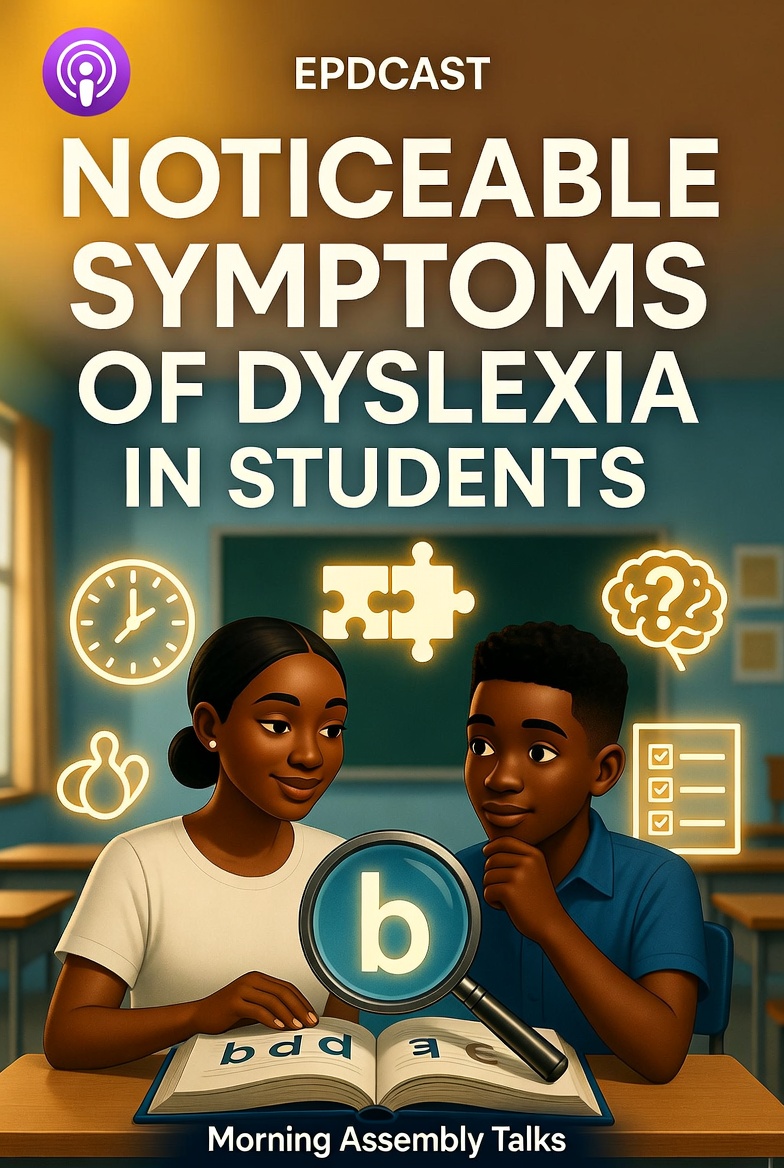
Dyslexia is a learning difference that affects how students process written language. It makes reading, writing, and spelling more challenging—even for bright and capable learners. Because it is a “hidden” difference, recognizing the signs early is the first step toward unlocking a student’s potential.
📋 Common Signs to Watch For
If you notice a student consistently struggling with the following tasks, it may be time to consider a specialized assessment:
- Letter and Word Reversals: Confusing letters (e.g., b vs. d, p vs. q) or “mirror reading” words (e.g., was instead of saw).
- Inconsistent Spelling: Spelling the same familiar word differently within the same paragraph, even after repeated practice.
- Sight Word Struggles: Difficulty recognizing high-frequency words instantly, which slows down reading speed and comprehension.
- Color Confusion: Unexpectedly mixing up color names (e.g., calling green “blue” or red “brown”).
- Avoidance Tactics: Reading slowly, losing their place often, or avoiding reading aloud due to frustration or embarrassment.
- Sequencing Difficulties: Trouble remembering ordered information, such as strings of numbers, multi-step instructions, or the steps in a specific task.
- The “Disengagement” Mask: Appearing bored or disengaged in class despite showing high curiosity and intelligence in verbal discussions.
Why Early Recognition Matters
These signs are not a reflection of a student’s intelligence, ability, or effort. In fact, many students with dyslexia are highly creative and excel in problem-solving.
Recognizing these symptoms early allows students to:
- Access Targeted Support: Implementing strategies like multisensory learning.
- Build Confidence: Removing the “stigma” of being a “slow learner.”
- Unlock Potential: Allowing their academic and creative strengths to shine through.
Take Action: If you are a teacher or school owner at Skills and Career Paths, use this checklist during your next classroom observation. Early intervention is the bridge to a student’s success