Author: Skills and Career Paths

  • The Power of Positive Thoughts, Behavior, and Meditation

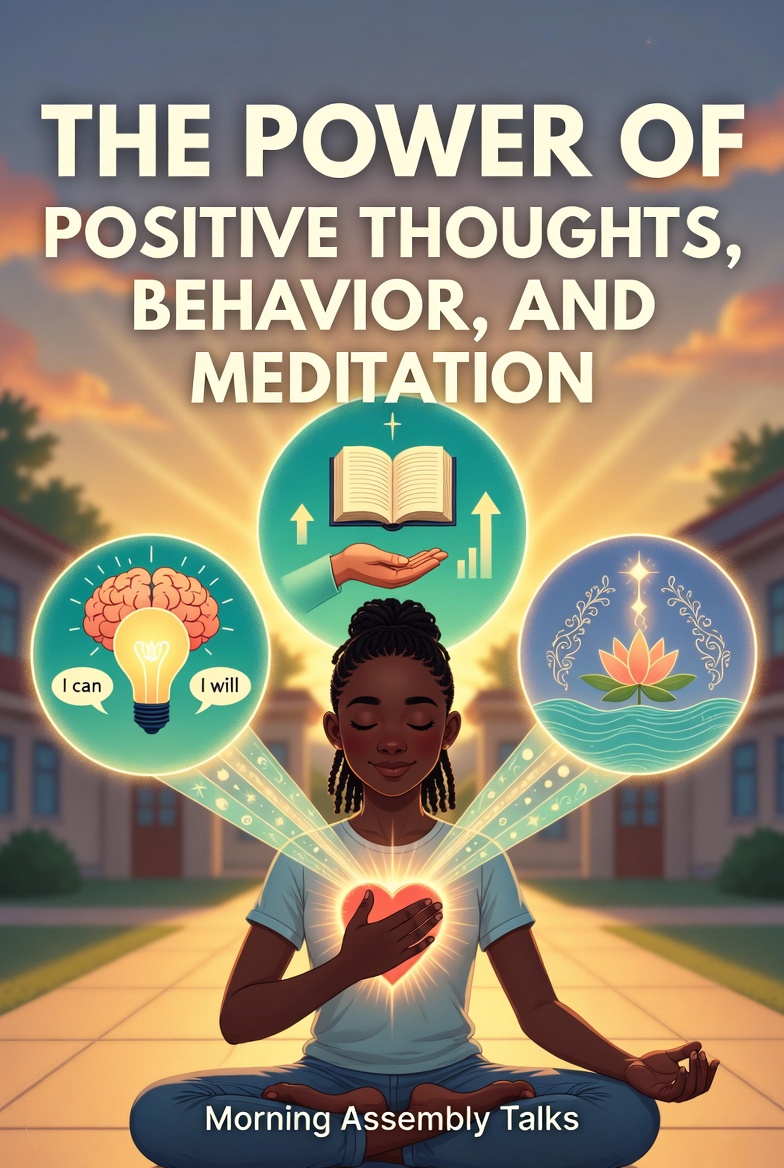
    The Power of Positive Thoughts, Behavior, and Meditation

    Life often tests us with challenges, setbacks, and moments of self-doubt. Yet, how we think, act, and center ourselves determines the trajectory of our growth. Positive thoughts, conscious behavior, and meditation are not just “feel-good” concepts—they are practical tools that shape your productivity and life experience.


    🧭 1. Positive Thoughts: Your Inner Compass

    Your mind is the engine of your life. Positive thinking doesn’t mean ignoring problems; it means approaching them with hope, confidence, and a “solution-first” mindset.

    • Impact: Reduces stress, improves emotional resilience, and enhances creativity.
    • The Shift: Instead of thinking, “I can’t pass this exam,” shift to, “I will prepare smartly and give my best effort.”

    Motivational Insight: “Whether you think you can or you think you can’t, you’re right.”Henry Ford

    The Lesson: Your thoughts set the tone for your results. Feed your mind with optimism and constructive reflections daily.


    🌱 2. Positive Behavior: Action Reflects Mindset

    Thoughts without action are just dreams. Positive behavior is the physical alignment of your actions with your goals.

    Practices to Cultivate:

    • Kindness: Showing empathy in every interaction.
    • Discipline: Consistency in your work and study habits.
    • Persistence: Choosing to keep going despite obstacles.

    The Analogy: Think of your actions as seeds. Positive actions, repeated daily, eventually grow into the successful life you envision.


    🧘 3. Meditation: The Mind’s Reset Button

    Meditation is a conscious pause—a way to quiet the “noise” in your head, reduce anxiety, and improve focus.

    • Key Benefits: Strengthens self-awareness, reduces overthinking, and enhances emotional control.
    • Practice Tip: You don’t need hours. Just 5–10 minutes of deep breathing can reset your energy and perspective.

    The Analogy: Meditation is like cleaning a foggy window. The world outside hasn’t changed, but it becomes much clearer once the “glass” of your mind is wiped clean.


    🛠️ 4. The Power Trio: Integrating All Three

    Real power is unlocked when these three elements work in harmony. Consider a student preparing for a major exam:

    1. Think Positively: Visualize success and affirm your ability (The Blueprint).
    2. Act Positively: Follow a disciplined study plan and help others (The Construction).
    3. Meditate Regularly: Use deep breathing to maintain focus and reduce panic (The Maintenance).
    ElementRole in Your Life
    Positive ThoughtsThe Blueprint
    Positive BehaviorThe Construction
    MeditationThe Maintenance

    Export to Sheets


    🎯 The Final Takeaway

    The combination of positive thinking, purposeful behavior, and meditation transforms challenges into opportunities and fear into courage.

    “Your mind is a garden; your thoughts are the seeds. Your behavior is the water, and meditation is the sunlight. Cultivate wisely, and you will flourish.”

    Be bold, stay centered, and grow every day.

    For more insights on personal growth, visit skillsandcareerpaths.com

  • 🚀 Cut-Off Mark Mentality: Excellence Beyond Ordinary

    🚀 Cut-Off Mark Mentality: Excellence Beyond Ordinary

    Many students approach exams like WAEC, JAMB, or school assessments with a single thought: “I just need the minimum to pass.” This is the Cut-Off Mark Mentality. While it feels safe, it is a subtle trap that limits your potential and shrinks your future opportunities.

    The Analogy: Crossing a river by stepping only on the very first stone might keep your feet dry for a moment, but it won’t get you to the other side with speed or confidence. Students who aim higher leap across multiple stones, moving with mastery and readiness.


    🧠 The Psychology of Minimum Effort

    Why do we settle for “just enough”? Understanding the root of this mindset is the first step to breaking free from it.

    • The Comfort Zone Trap: Minimum effort feels safe because it doesn’t require extra energy, but it stunts your growth.
    • Fear of Failure: Some students avoid ambitious goals because the “higher you climb, the further you fall.”
    • Short-Term Thinking: Focusing only on the next Friday, rather than the next four years.

    The Lesson: True growth happens outside the minimum. Passing is important, but exceeding expectations builds the confidence and mastery required for the real world.


    📈 Why Performing Above the Minimum Matters

    Aiming for the top isn’t just about the grade; it’s about the doors that open when you arrive.

    BenefitImpact
    OpportunitiesHigh scores unlock top-tier universities, competitive courses, and scholarships.
    ConfidenceDeep mastery of a subject reduces the “exam fever” associated with future tests.
    FoundationExcelling now makes advanced learning in University much easier.

    Export to Sheets

    A Tale of Two Students: Chukwuemeka aimed only to meet the JAMB cut-off. He got in, but he struggled in his first year because his foundation was weak. His friend, who consistently aimed for 80% during prep, transitioned into university life with confidence and zero stress.


    ✨ Strategies to Break the “Minimum” Habit

    🎯 1. Set Ambitious Targets

    Don’t aim for 50% if the cut-off is 45%. Target 70% or 80%.

    • Visualize: See yourself achieving that high score and imagine the phone calls you’ll make to share the good news.

    📚 2. Focus on Mastery, Not Memorization

    The Analogy: Knowledge is a ladder. Minimum effort keeps you on the first rung. Mastery moves you to the top where the view (and the opportunity) is better.

    • Master the concepts behind the questions. Avoid shortcuts that only give temporary results.

    📝 3. Use Past Questions Strategically

    Don’t just use past questions to “see what might come out.” Use them to:

    • Identify high-frequency topics.
    • Time yourself to see if you can beat your previous “personal best” score.

    📊 4. Track Your Progress

    Keep a score log for your assignments and practice tests.

    • Celebrate Growth: Moving from 50% to 60% to 70% is evidence of a mindset shifting toward excellence.

    🔄 The Mindset Shift

    To change your results, you must first change your internal dialogue.

    • From: “I just need to pass.”
    • To: “I will exceed expectations and prepare fully for what comes next.”

    The Analogy: Think of exams as an audition. Passing barely gets you noticed; performing above expectations makes you the star of the show.


    💡 Closing Motivation

    Ada once aimed just to meet the WAEC cut-off. After shifting her mindset to aim higher, she not only topped her class but earned multiple scholarship offers, entering her dream university with her head held high.

    “Don’t settle for the bare minimum. The world rewards those who go beyond what is expected.”Unknown

    Key Takeaway: Minimum effort produces minimum results. Aim above the cut-off—your confidence, knowledge, and future opportunities depend on it.

    Stay tuned for more excellence strategies at skillsandcareerpaths.com

  • Exam Stress Management: Stay Calm, Perform Better

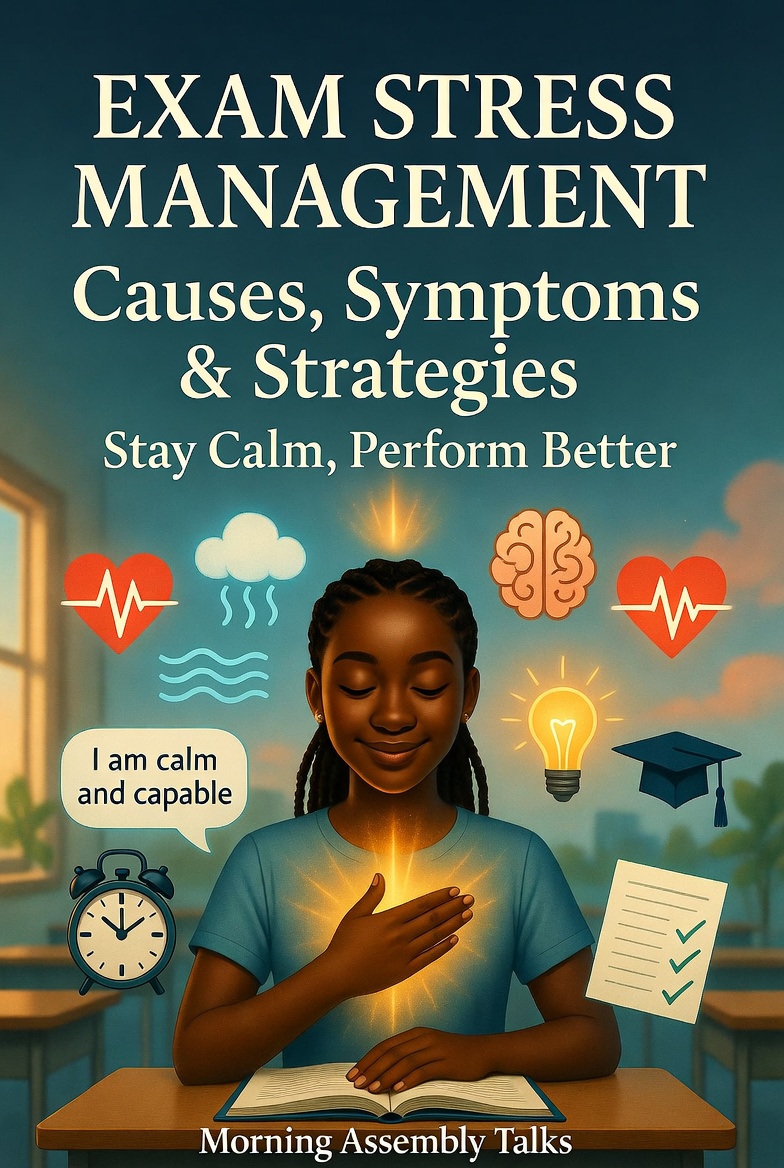
    Exam Stress Management: Stay Calm, Perform Better

    Exam season can feel like a high-pressure environment, but understanding how to handle that pressure is the secret to peak performance. Stress is a natural response—not all of it is bad. While mild stress can sharpen your focus, excessive stress can hinder your ability to think clearly.


    🔍 Understanding the “Fire” of Stress

    The Analogy: Stress is like fire. A controlled flame cooks food perfectly; an uncontrolled blaze burns the kitchen down.

    CausesSymptoms
    Fear of failing or missing expectationsPhysical: Sweaty palms, racing heart, fatigue
    Poor time managementEmotional: Irritability, panic, restlessness
    Pressure from parents or peersCognitive: Difficulty concentrating, “blanking out”

    Export to Sheets

    The Lesson: Stress can fuel your performance if managed; left unchecked, it destroys focus.


    🌬️ 1. Deep Breathing & Relaxation

    The Analogy: The mind is like a computer overheating under pressure. Deep breathing is the cooling fan that restores clarity.

    • Symptoms It Helps: Racing heartbeat, shallow breathing, and sudden panic.
    • The Strategy: Practice 4‑4‑6 breathing. Inhale for 4 counts, hold for 4, and exhale slowly for 6. Repeat this 5 times before the exam starts.

    🗣️ 2. Positive Self-Talk

    The Analogy: Negative thoughts are like carrying heavy stones in a backpack; positive thoughts are balloons lifting you up.

    • Symptoms It Helps: Self-doubt, low confidence, and fear of failure.
    • The Strategy: Replace “I can’t do this” with empowering affirmations:
      • “I am calm, confident, and capable.”
      • “I have prepared well; I will perform my best.”

    👁️ 3. Visualization

    The Analogy: The brain often cannot distinguish a real event from a vivid imagination. Rehearsing success prepares you to achieve it.

    • Symptoms It Helps: Mental blanking and low confidence.
    • The Strategy: Close your eyes and picture yourself sitting calmly in the hall, reading questions confidently, and answering them correctly.

    ⏳ 4. Time Management & Pacing

    The Analogy: Exams are like a long road. Rushing leads to mistakes; pacing ensures a safe arrival.

    • Symptoms It Helps: Feeling rushed or leaving questions unanswered.
    • The Strategy: 1. Scan the entire paper first. 2. Allocate specific time per section. 3. Answer easy questions first to build momentum.

    🔋 5. Physical Readiness

    The Analogy: A phone with 5% battery won’t function well; your brain needs energy and hydration to process information.

    • Symptoms It Helps: Fatigue, dizziness, and poor concentration.
    • The Strategy: * Eat light, balanced meals (avoid heavy, oily foods before an exam).
      • Stay hydrated with water.
      • Stretch your muscles before entering the hall.

    🧠 6. Cognitive Reframing

    The Analogy: It’s not the stress itself, but our interpretation of it that causes panic.

    • Symptoms It Helps: Overreacting and “catastrophic” thinking.
    • The Strategy: Shift your perspective. Instead of saying, “This exam will ruin my life,” say, “This exam is a challenge that I am ready to tackle.”

    🛑 7. Take Mini-Breaks

    The Analogy: Even race cars need pit stops. Non-stop work burns out your mental engine.

    • Symptoms It Helps: Fatigue and short attention span.
    • The Strategy: During long study sessions, take a 2–5 minute break every 50–90 minutes. Stretch, look away from your books, and breathe.

    📈 8. Focus on Process, Not Outcome

    The Analogy: Focusing on results is like trying to control the weather. Control your actions, not the sky.

    • Symptoms It Helps: Obsessing over grades and panic attacks.
    • The Strategy: During the exam, don’t think about the final grade. Concentrate only on the question in front of you and your timing strategy.

    💡 Closing Motivation: Ada’s Success

    Ada was extremely anxious before her WAEC exams. She felt her heart racing and feared she would forget everything. By using deep breathing to calm her heart and pacing to manage her time, she stayed steady. She completed every paper successfully and realized that while stress is normal, panic is optional.

    “A calm mind brings inner strength and self-confidence, so that’s very important for good health.”Dalai Lama

    The Final Lesson: Awareness + Strategies + Practice = Controlled performance and better results.

    For more career and study tips, visit skillsandcareerpaths.com

  • 🚀 WAEC & JAMB Optimization Strategies for Success

    🚀 WAEC & JAMB Optimization Strategies for Success

    Success in high-stakes exams like WAEC and JAMB isn’t just about how long you study—it’s about how you study. Use these ten optimization strategies to turn your effort into a top-tier result.


    1. Start With a Clear Goal

    Success begins with clarity. Know your target score, your dream course, and your “why.”

    • Quote: “A goal without a plan is just a wish.” – Antoine de Saint-Exupéry
    • Analogy: Your dream university is like a treasure chest. WAEC and JAMB are the map and the keys—you must study the map carefully to reach the chest.
    • Strategy: Write down your target scores. Visualize yourself achieving them daily to stay disciplined.

    2. Master the Syllabus Like a Map

    Many students waste time on irrelevant topics. The syllabus is your GPS; it keeps you on the fastest route to your destination.

    The Story of Emeka: Emeka spent weeks studying complex topics that weren’t even on the syllabus. On exam day, he panicked because he had ignored the core concepts that actually appeared. His friend, who followed the syllabus, scored higher with half the stress.

    • Strategy: Break each subject into subtopics. Prioritize topics that carry the most “weight” in past exams.

    3. Active Revision & Memory Optimization

    Reading is passive; testing is active. To make information stick, you must involve your brain.

    • Quote: “Tell me and I forget. Teach me and I remember. Involve me and I learn.” – Benjamin Franklin
    • Analogy: Memory is like a muscle. Reading is the warm-up, but practice is the weightlifting that actually makes you stronger.
    • Strategy: Use flashcards and mind maps. Try explaining a topic out loud to a friend (or even a pet)—if you can teach it, you know it.

    4. Practice Past Questions Religiously

    Past questions are your “exam crystal ball.” They reveal patterns and common pitfalls before you even enter the hall.

    The Story of Chidinma: Chidinma practiced Chemistry past papers every week. She noticed three specific reactions appeared almost every year. Because she predicted them, she finished the exam in record time with a distinction.

    • Strategy: Time yourself strictly during practice. Don’t just find the right answer—understand why the wrong answers are incorrect.

    5. Optimize Time Management

    Time can be your best friend or your worst enemy.

    • Analogy: Think of time as water in a jug. Pour too fast, and it spills (careless mistakes); pour too slow, and you run out before the glass is full (unfinished questions).
    • Strategy: Allocate specific time “blocks” for each section. Practice speed-reading to get through comprehension passages faster.

    6. Smart Study Environment

    Your environment is either an engine or a brake for your focus.

    • The Lesson: Tunde switched from studying in a noisy living room to a quiet, dedicated corner. His retention improved instantly because his brain wasn’t fighting background noise.
    • Strategy: Keep your desk clutter-free. Use white noise or instrumental music if you need a “focus bubble.”

    7. Positive Mindset & Visualization

    Believing you can succeed is half the battle won.

    • Quote: “Whether you think you can or you think you can’t, you’re right.” – Henry Ford
    • Analogy: Your brain is like a garden. Positive thoughts are water and sunlight; negative thoughts are weeds.
    • Strategy: Start every session with an affirmation: “I am capable of excellence.” Spend 5 minutes visualizing your admission letter.

    8. Cut-Off Mark Mentality

    Never aim for “just enough.” Aim for the top to create a safety net.

    • The Story of Aisha: Aisha aimed for the minimum cut-off. She barely made it, missing out on scholarships. Aiming higher would have opened doors that “just passing” kept closed.
    • Strategy: Set your targets 20-30 points higher than the actual requirement.

    9. Exam Day Strategy

    Execution is everything. You’ve done the work; now finish the job.

    • Strategy: 1. Eat a balanced breakfast. 2. Read instructions twice. 3. The “Easy-First” Rule: Answer every question you know instantly first, then go back to the tough ones. 4. If you panic, stop for 10 seconds, breathe deeply, and move to the next question.

    10. Reflect & Improve

    Preparation is a cycle, not a straight line.

    • Analogy: Preparation is like sharpening a knife. Every mock test and every corrected mistake makes your “blade” sharper until you can slice through the exam effortlessly.
    • Strategy: Note your weaknesses after every practice session and adjust your plan for the following week.

    ⭐ Bonus Inspiration: Michael’s Journey

    Michael came from a small town with very few resources. He didn’t have the best textbooks, so he borrowed notes and practiced past questions every single day. He refused to settle for less than his best.

    The Result? Straight distinctions in WAEC and immediate admission to his dream university. His secret wasn’t luck—it was discipline and visualization.


    Final Thought: Consistency transforms effort into excellence. Stay focused, stay bold!

    For more tips, visit skillsandcareerpaths.com

  • 🎓 WAEC & JAMB SUCCESS MAP

    🎓 WAEC & JAMB SUCCESS MAP

    Preparing for your exams is more than just reading books; it is about strategy, mindset, and discipline. Follow this roadmap to secure your admission and achieve academic excellence.


    🎯 1. Set a Clear Goal

    Before you open a textbook, you must know your destination. Know your target scores and your dream course.

    • The Quote: “A goal without a plan is just a wish.” – Antoine de Saint-Exupéry
    • The Analogy: Think of your dream university as a treasure chest. WAEC and JAMB are the keys and the map you need to unlock it.
    • Action Step: Write down your target scores for each subject and visualize yourself opening your portal to see those results.

    📖 2. Master the Syllabus

    Don’t study harder; study smarter. Focus strictly on exam-relevant topics.

    The Story of Emeka: > Emeka spent weeks studying extra, complex topics that weren’t in the syllabus. On exam day, he panicked because he hadn’t mastered the basics. His friend, who followed the syllabus strategically, finished early and excelled.

    • Pro-Tip: Break each subject into smaller topics. Prioritize high-weight questions and stick to the official syllabus.

    🧠 3. Active Revision & Memory Boost

    Passive reading is the enemy of memory. To truly learn, you must involve your brain actively.

    • The Quote: “Tell me and I forget. Teach me and I remember. Involve me and I learn.” – Benjamin Franklin
    • The Analogy: Memory is like a muscle. Reading is just the warm-up; active practice is what builds the strength.
    • Action Step: Use flashcards, draw mind maps, and take quizzes. Review what you’ve learned at intervals: Day 1, 3, 7, and 14.

    📝 4. Practice Past Questions

    Past questions are the “secret code” to the exam pattern.

    • The Story of Chidinma: Chidinma practiced ten years of Chemistry past questions. She noticed recurring themes and patterns, allowing her to finish her actual exam 20 minutes early with total confidence.
    • Action Step: Time yourself while practicing. Analyze every mistake you make and repeat the exercise until you are scoring 90% consistently.

    ⏳ 5. Time Management

    In the exam hall, time is your most precious resource. Don’t leave easy marks unattempted.

    • The Quote: “Lost time is never found again.” – Benjamin Franklin
    • The Analogy: Time is like water in a jug. If you pour too fast (rush), you spill. If you pour too slow, you run out before the glass is full.
    • Action Step: Allocate specific minutes per section. Speed-read through the paper first, answer the “easy wins,” and leave 10 minutes at the end to review.

    🌿 6. Create the Right Study Environment

    Your surroundings dictate your focus. Ensure your space is quiet, well-lit, and clutter-free.

    • The Lesson: Tunde struggled to retain information until he moved his desk away from the TV and into a quiet corner. His focus improved instantly.
    • Pro-Tip: If total silence is distracting, try using white noise or instrumental study music to drown out background interruptions.

    ✨ 7. Positive Mindset & Visualization

    Negativity kills performance. You must believe success is possible before it becomes a reality.

    • The Quote: “Whether you think you can or you think you can’t, you’re right.” – Henry Ford
    • The Analogy: Your mind is a garden. Positive thoughts are the sunlight and water; negative thoughts are the weeds that choke your growth.
    • Action Step: Start each study session with positive affirmations. Meditate for 5 minutes to reduce anxiety.

    🚀 8. Aim Above the Cut-Off

    Minimum grades aren’t enough in a competitive environment. Always push for the top.

    • The Story of Aisha: Aisha aimed for exactly the cut-off mark for Medicine. When the results came out, she barely missed it. If she had aimed for a “scholarship score,” she would have safely secured her admission.
    • Pro-Tip: Challenge yourself with the toughest questions you can find. Track your progress weekly to ensure you are trending upward.

    ✅ 9. Exam Day Strategy

    Success happens when preparation meets opportunity.

    • The Quote: “Success is where preparation and opportunity meet.” – Bobby Unser
    • Action Step: Eat a light, healthy meal. Read all instructions twice. Answer the questions you know best first to build momentum and manage panic.

    🔄 10. Reflect & Improve

    Preparation is a continuous process of refinement.

    • The Analogy: Preparing for exams is like sharpening a knife. Each practice session makes the blade sharper and your effort more effective.
    • Action Step: After every mock test, review your errors. Adjust your study plan to cover those weak spots and celebrate your small wins.

    💡 Motivation Corner

    The Story of Michael: Michael had very few resources and no expensive tutors. However, he practiced diligently every night and refused to believe he was limited by his circumstances. The Result: He scored straight distinctions in WAEC and gained immediate admission into his dream university.

    The Lesson: Discipline + Visualization + Refusing to Settle = Unstoppable Success.


    Final Reminder: Consistency, focus, and a positive attitude are the ingredients that transform effort into excellence. You’ve got this!

  • Respect is Power: Your Key to the Future

    Good morning, dear students!

    Today, I want to talk about a concept that is often misunderstood: Respect. We hear this word constantly—at home and in the halls. But respect isn’t just a polite gesture or a list of rules.

    Respect is power.

    It is the master key that opens doors to trust, influence, and success. When we honor the authority in our lives, we aren’t showing weakness; we are showing that we have the discipline and the vision to build a great future.


    🏫 The School Connection: Respecting the Architects of Your Success

    Think of the principal, administrators, and staff not just as “authority figures,” but as the architects of your environment. When you follow the rules and cooperate with school leadership, you aren’t just “being good”—you are investing in your own reputation.

    By respecting school authority, you:

    • Build a Brand: You develop a reputation for being reliable and mature.
    • Create Opportunity: Doors open for students who show they can handle responsibility.
    • Own the Environment: A respectful school is a place where everyone has the peace to actually succeed.

    The Lesson: When leadership sets a standard, they are training you for the high-stakes world where professionalism is the baseline.

    “Men are respectable only as they respect.”Ralph Waldo Emerson


    🏠 The Home Connection: Respecting Your Foundation

    At home, respect is the glue that holds your support system together. Our parents and guardians are our first mentors. They see the world from a different vantage point, and their guidance is meant to be your shield.

    Respecting family means:

    • Active Listening: Understanding their “why” before you argue your “how.”
    • Appreciation: Acknowledging the effort your guardian puts in to provide for you.
    • Maturity: Communicating with calm and kindness, even when you disagree.

    The Lesson: When your parents set boundaries—like a curfew or screen time limits—it’s not about restriction; it’s about preparation. They are teaching you the self-control you’ll need to lead your own life one day.


    🎯 The Student Edge: Why It Matters to YOU

    Let’s be real: why should you care?

    1. For the Ambitious: Respect earns you the trust and the “yes” you need when reaching for new opportunities.
    2. For the Frustrated: Respect is a “peace-maker.” It de-escalates conflict and gives you the moral high ground.
    3. For the Leaders: True power isn’t forcing people to listen; it’s being the kind of person others want to follow.

    ⚡ The 24-Hour Challenge

    Identify one school official and one person at home. Today, show them respect through a specific action—whether it’s following a hallway rule without being reminded or helping with a chore at home without being asked.


    Final Thought

    Respect is the bridge between where you are today and where you want to be tomorrow.

    • Respect at school leads to a legacy of excellence.
    • Respect at home leads to a solid character.
    • Respect for others leads to a life of influence.

    “Respect for ourselves guides our morals; respect for others guides our manners.” — Mahatma Gandhi

    Be bold, stay disciplined, and use the power of respect to unlock every door in your path. Thank you!

    Stay tuned to skillsandcareerpaths.com

  • Be Bold, Be You: Chase Your Dreams!

    Good morning Principal, teachers, and my fellow students!

    Today, I want to talk about something very important—boldness. Boldness is courage in action. It’s the willingness to try, to fail, and to rise again. But being bold is easier—and more powerful—when you know yourself: your intelligence type, your personality, and your learning style.


    🚀 Know Your Superpower

    Each of us is smart in our own way. Some of us are great with words, some with numbers, some with music, some with building or doing, and some with understanding people.

    Bold students use their strengths. Don’t try to copy others. Find what you’re naturally good at and let it guide your actions.


    👤 Be True to Your Personality

    Boldness doesn’t look the same on everyone. You don’t have to be the loudest person in the room to be brave.

    • Introverts: You are often quiet and reflective. You can be bold by mastering your skills and leading through focused expertise.
    • Extroverts: You are naturally outgoing. You can be bold by leading and inspiring others through communication.

    Key Takeaway: Boldness doesn’t mean being someone else—it means being the best version of yourself.


    📚 Learn in Your Way

    We all process information differently. Bold students don’t get discouraged by a challenge; they adapt it to their learning style:

    • Visual: Learn by seeing and mapping out ideas.
    • Auditory: Learn by listening and discussing.
    • Kinesthetic: Learn by doing and taking physical action.
    • Reading/Writing: Learn by planning and practicing.

    ✅ 5 Ways to Take Bold Action Every Day

    To turn your dreams into reality, follow these five steps:

    1. Face your fears: Start small. You don’t have to leap; just take one step at a time.
    2. Use your strengths: Your unique brain and personality are your best tools.
    3. Learn from mistakes: Every failure is simply a lesson in disguise.
    4. Ask for help: Mentors, teachers, and friends are there to guide you.
    5. Keep moving: Dreams don’t happen to those who wait; they happen to those who act.

    “The biggest adventure you can ever take is to live the life of your dreams.” — Oprah Winfrey


    🎯 The Final Challenge

    Ask yourself today: Am I waiting for permission—or am I taking my first bold step?

    Take a moment to repeat these words in your mind:

    • I am bold.
    • I am capable.
    • My dream is possible.

    Your dream is waiting, and only you can go get it!

    Thank you, and let’s make today the start of bold action!

  • Stand Strong, Speak Up: Understanding and Ending Bullying in Our School

    Stand Strong, Speak Up: Understanding and Ending Bullying in Our School

    Bullying is one of the most serious challenges in schools today. It is defined as repeated aggressive behavior that can hurt someone physically, emotionally, or socially. Bullying isn’t just one thing; it happens through words, physical actions, social exclusion, or online (cyberbullying).

    “We realize the importance of our voices only when we are silenced.” — Malala Yousafzai


    🚩 Symptoms: How to Tell if Someone Is Being Bullied

    Students who are bullied often show subtle signs. It is important for peers and teachers to look out for these changes:

    • Emotional Signs: Increased anxiety, sadness, frequent crying, or a sudden drop in self-esteem.
    • Behavioral Signs: Avoiding school, skipping certain classes, or a sudden loss of interest in friends and hobbies.
    • Physical Signs: Unexplained bruises, scratches, torn clothing, or “losing” belongings frequently.
    • Academic Signs: A noticeable drop in grades, inability to concentrate, or lack of participation in class.

    Example: A student who previously loved group activities may suddenly refuse to join games or stay quiet during class discussions.


    🚫 Rules Against Bullying in Schools

    To ensure every student feels safe, schools maintain strict policies. Understanding these rules is the first step toward a better environment:

    1. Respect Everyone: Value others regardless of differences in ability, culture, or appearance.
    2. Zero Physical Violence: Hitting, pushing, or threatening is strictly prohibited.
    3. No Verbal Abuse: Insults, name-calling, and mocking are unacceptable.
    4. Anti-Social Exclusion: Purposely leaving someone out to hurt them is a form of bullying.
    5. Report and Support: Students are encouraged to report incidents to teachers or counselors immediately.

    “Do your little bit of good where you are; it’s those little bits of good put together that overwhelm the world.” — Desmond Tutu


    💪 A Message for the Bullied

    If you are being targeted, please hold onto these truths:

    • It is not your fault. You did nothing to deserve this treatment.
    • You are valuable. Your worth is not defined by someone else’s unkindness.
    • Speaking up is a sign of strength. Reporting bullying is not “tattling”—it is an act of courage that protects you and others.

    Action Step: Seek help from a teacher, counselor, or a trusted adult. You don’t have to carry this alone.


    🤝 A Message for the Bully

    If you have participated in bullying, it is never too late to take a different path:

    • You can change. Your past actions do not have to define your future.
    • Empathy is a skill. Learning to understand how others feel will make you a stronger leader.
    • Apologizing is brave. It takes more “toughness” to admit a mistake and seek guidance than it does to put someone else down.

    ✨ Building a Safe and Caring School

    We all play a part in the atmosphere of our hallways. We can build a better community by:

    • Treating every classmate with kindness.
    • Actively including those who are standing alone.
    • Speaking out (or telling an adult) when we witness bullying.
    • Supporting classmates who are going through a hard time.

    “You must be the change you wish to see in the world.” — Mahatma Gandhi


    Final Thought

    Bullying harms the entire school community—the bullied, the bully, and the bystanders. But together, with courage and empathy, we can make our school a place where everyone thrives.

    Stand strong. Speak up. Respect all.

  • Understanding the Signs: Recognizing Symptoms of Autism

    Understanding the Signs: Recognizing Symptoms of Autism

    Autism, also known as Autism Spectrum Disorder (ASD), is a neurodevelopmental condition that affects how a person communicates, interacts, and behaves. It is called a “spectrum” because symptoms vary significantly from one individual to another—no two people with autism are exactly the same.

    Recognizing these symptoms early empowers teachers, parents, and students to provide the necessary support and foster an inclusive environment.


    1. Communication Difficulties

    Communication is one of the primary areas where autism manifests. This can range from non-verbal communication to challenges with social nuances.

    • Delayed speech or a total absence of expressive language.
    • Difficulty expressing complex thoughts or feelings.
    • Echolalia: Repeating specific words or phrases out of context.
    • Limited eye contact during conversations.

    Example: A student may fully understand a teacher’s question but struggle to formulate a verbal response.


    2. Social Interaction Challenges

    Navigating social “rules” can be overwhelming for individuals on the spectrum.

    • Difficulty making or maintaining friendships.
    • A strong preference for solitary play or working alone.
    • Misunderstanding social cues, such as facial expressions or tone of voice.
    • Appearing uninterested in casual “small talk.”

    Example: A student might not respond when their name is called. This often isn’t rudeness; it’s a result of how their brain processes social stimuli.


    3. Repetitive Behaviors

    Predictability provides a sense of security for many people with autism.

    • Self-stimulatory behaviors: Repeating physical actions like hand-flapping, rocking, or spinning.
    • Rigid routines: A deep need for things to happen in a specific order.
    • Distress over change: Even small deviations from a schedule can cause significant anxiety.

    Example: A student may insist on sitting in the exact same seat every day and feel genuine distress if that seat is unavailable.


    4. Sensory Sensitivity

    The world can be “too loud” or “too bright” for someone with sensory processing differences.

    • Overreaction or underreaction to sounds, lights, textures, or touch.
    • Covering ears or closing eyes in busy environments.
    • Discomfort with specific clothing textures (like tags or wool) or physical contact.

    Example: A standard noisy classroom or a buzzing fluorescent light may feel physically painful or overwhelming to a student with autism.


    5. Intense Interests or Focus

    Many individuals with autism possess “spiky profiles,” where they excel tremendously in specific areas.

    • Hyper-fixation: A deep, encyclopedic interest in specific topics (e.g., trains, astronomy, or coding).
    • High levels of focus: The ability to work on a single activity for extended periods.

    Example: A student may display an extraordinary talent for drawing or an incredible ability to memorize complex sets of data.


    Important Considerations

    It is vital to remember that autism is not a “one size fits all” diagnosis.

    • Not all students will show every symptom listed above.
    • The level of support needed varies from person to person.
    • Symptoms can change as a child grows and develops coping strategies.

    “I am different, not less.” — Temple Grandin


    Final Thought

    Understanding the symptoms of autism is not about labeling—it is about supporting and including. When we recognize these signs, we can respond with patience, kindness, and the right tools. Every student deserves to be understood and given the opportunity to succeed.

  • The Hidden Brilliance: Understanding Dyslexia in the Classroom and at Home

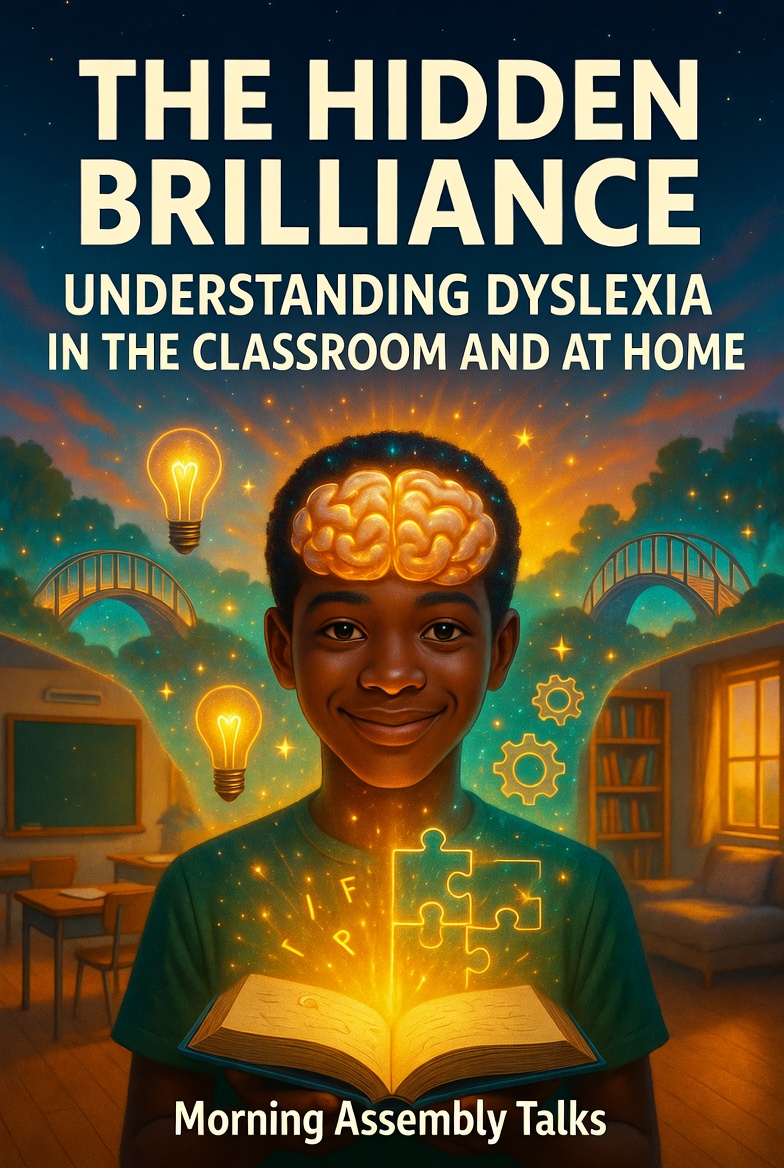
    The Hidden Brilliance: Understanding Dyslexia in the Classroom and at Home

    “He’s so bright, so why can’t he just read the instructions?” “She can build a complex Lego set in minutes, but she can’t spell ‘friend’.”

    For many parents and teachers, these contradictions are the first signs of Dyslexia. For a long time, children who struggled to decode words were labeled “slow” or “unmotivated.” We now know the truth is much more exciting: Dyslexia is not a lack of intelligence, but a diversity of wiring.

    What is Dyslexia, Really?

    Dyslexia is a specific neurological difference that makes it difficult for the brain to connect the sounds of speech to the letters on a page.

    While a “typical” reader’s brain processes language in a linear, streamlined way, a dyslexic brain often takes the “scenic route,” engaging areas responsible for spatial awareness and creative synthesis.


    🚩 Common Signs for Parents and Teachers

    Early identification is the key to protecting a child’s self-esteem. Look for these three primary indicators:

    • The “Spelling Wall”: A child may master a word on Monday but seem to have never seen it by Tuesday.
    • The “Mirror” Effect: Frequently reversing letters like b and d or p and q beyond the age of seven.
    • Reading Fatigue: Becoming physically exhausted or frustrated after just a few minutes of reading aloud.

    The Ferrari Metaphor: Dyslexia is like a Ferrari engine with bicycle brakes. The power is there; we just need to upgrade the braking system to handle the speed of the mind.


    The Power of the “Dyslexic Advantage”

    When we stop focusing solely on what a student can’t do, we begin to see what they can do better than anyone else. Many of the world’s most successful entrepreneurs, artists, and engineers share this “neurological signature.”

    • Spatial Brilliance: A student might struggle with a history textbook but can visualize a 3D model of a castle perfectly in their mind.
    • Creative Problem Solving: A child may fail a spelling bee but be the first to find a creative solution to a complex social conflict.

    Global Icons: Figures like Albert Einstein, Richard Branson, and Steven Spielberg didn’t succeed despite their dyslexia—they succeeded because their brains were wired to see the world differently.


    How Skills and Career Paths Bridges the Gap

    At skillsandcareerpaths.com, we don’t just “tutor” students; we empower them. We offer a specialized Support Therapy Program designed to turn struggle into strength through:

    1. Multisensory Mastery: Using techniques that involve seeing, hearing, and touching simultaneously to anchor language.
    2. Assistive Tech Training: Teaching students to use speech-to-text and AI tools so their ideas aren’t trapped by their handwriting.
    3. Executive Function Coaching: Helping learners organize thoughts and time.
    4. Teacher & Parent Advocacy: Providing the resources schools need to support students without crushing their spirit.

    A Final Word to the Mentors

    To the parents and teachers: You are the gatekeepers of a child’s self-esteem.

    “The greatest burden of dyslexia isn’t the difficulty with reading; it’s the weight of being misunderstood by those who are supposed to guide you.”

    If we change the way we teach, we change the way they learn. Redefine the path today.

    [Explore Our Curriculum at Skillsandcareerpaths.com]