
Author: Skills and Career Paths

  • The Dyslexic Advantage: Global Icons Who Turned a “Struggle” Into a Superpower

    The Dyslexic Advantage: Global Icons Who Turned a “Struggle” Into a Superpower

    For decades, the traditional classroom has measured brilliance by how fast a child can read a sentence or how accurately they can spell a word. But history tells a different story.

    Some of the most influential minds in law, medicine, media, and technology didn’t just overcome dyslexia—they used the unique “big-picture” wiring of their brains to revolutionize their industries.

    “Dyslexia is not a sign of low intelligence. It’s an indicator of a mind that is built for more than just the basics.”


    🎬 In Media & Entertainment: Steven Spielberg

    Before he was the most famous director in the world, Spielberg dreaded being called on to read in class. He wasn’t diagnosed until his 60s, having spent his youth labeled as “lazy” by teachers.

    • The Superpower: Spielberg realized that while he couldn’t process text quickly, he could process visual stories with a depth others couldn’t see.
    • The Quote: “Dyslexia was the last puzzle piece in a great mystery that I’ve kept to myself.”

    ⚖️ In Law & Advocacy: David Boies

    A career in law—a field defined by massive stacks of documents—might seem impossible for someone with dyslexia. Enter David Boies, one of the most powerful trial lawyers in America (famous for Bush v. Gore).

    • The Superpower: Because he couldn’t rely on skimming notes, he mastered a “super-memory” and the art of listening. His dyslexia forced him to be more prepared and observant than any opponent.

    🚀 In Medicine & Science: Dr. Maggie Aderin-Pocock

    A world-renowned space scientist, Maggie was placed in remedial classes as a child. She attended 13 different schools and was often told her dreams were unrealistic.

    • The Superpower: She used visual thinking to master the complexities of the universe, eventually building instruments for the James Webb Space Telescope.
    • The Quote: “I am a dyslexic. I struggled at school. But I had a dream, and that dream was to get to space.”

    📖 In Psychology & Literature: F. Scott Fitzgerald

    The author of The Great Gatsby struggled with spelling his entire life and was even kicked out of school for failing grades.

    • The Superpower: His ability to synthesize social patterns and human emotion led to some of the greatest literature in history. He saw the “narrative” of life where others only saw the details.

    Why the Dyslexic Brain Thrives

    Science shows that the dyslexic brain is often more interconnected in areas responsible for innovation, empathy, and spatial reasoning.

    ProfessionHow Dyslexia Becomes an Asset
    LawyersBecome master orators by focusing on the heart of the argument.
    DoctorsHigh diagnostic accuracy by seeing symptoms as a “system.”
    Entrepreneurs(Like Richard Branson) Natural delegators and creative risk-takers.

    Export to Sheets


    The Path Forward with Skills and Career Paths

    At skillsandcareerpaths.com, we don’t want you to just “get by.” We want you to lead.

    “The greatest burden of dyslexia isn’t the difficulty with reading; it’s the weight of being misunderstood by those who are supposed to guide you.”

    Through our Support Therapy Program, we provide the tools—from multisensory literacy to AI-driven assistive technology—to help you stop fighting your brain and start using it.

    🌟 Ready to Unlock Your Superpower?

    [Visit Skillsandcareerpaths.com Today] Don’t let a label define your limit. Join the ranks of those who saw the world differently—and changed it.
  • Noticeable Symptoms of Dyslexia in Students

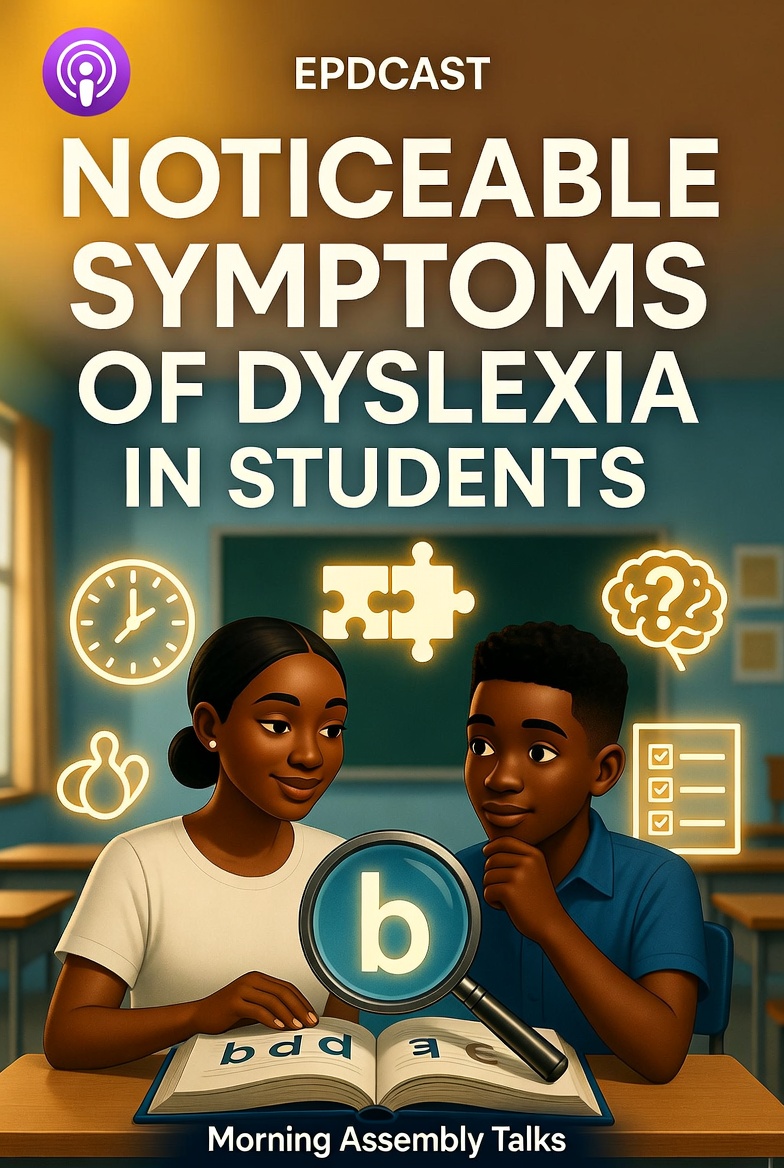
    Noticeable Symptoms of Dyslexia in Students

    Dyslexia is a learning difference that affects how students process written language. It makes reading, writing, and spelling more challenging—even for bright and capable learners. Because it is a “hidden” difference, recognizing the signs early is the first step toward unlocking a student’s potential.

    📋 Common Signs to Watch For

    If you notice a student consistently struggling with the following tasks, it may be time to consider a specialized assessment:

    • Letter and Word Reversals: Confusing letters (e.g., b vs. d, p vs. q) or “mirror reading” words (e.g., was instead of saw).
    • Inconsistent Spelling: Spelling the same familiar word differently within the same paragraph, even after repeated practice.
    • Sight Word Struggles: Difficulty recognizing high-frequency words instantly, which slows down reading speed and comprehension.
    • Color Confusion: Unexpectedly mixing up color names (e.g., calling green “blue” or red “brown”).
    • Avoidance Tactics: Reading slowly, losing their place often, or avoiding reading aloud due to frustration or embarrassment.
    • Sequencing Difficulties: Trouble remembering ordered information, such as strings of numbers, multi-step instructions, or the steps in a specific task.
    • The “Disengagement” Mask: Appearing bored or disengaged in class despite showing high curiosity and intelligence in verbal discussions.

    Why Early Recognition Matters

    These signs are not a reflection of a student’s intelligence, ability, or effort. In fact, many students with dyslexia are highly creative and excel in problem-solving.

    Recognizing these symptoms early allows students to:

    1. Access Targeted Support: Implementing strategies like multisensory learning.
    2. Build Confidence: Removing the “stigma” of being a “slow learner.”
    3. Unlock Potential: Allowing their academic and creative strengths to shine through.

    Take Action: If you are a teacher or school owner at Skills and Career Paths, use this checklist during your next classroom observation. Early intervention is the bridge to a student’s success

  • Why Teachers and School Owners Often Don’t Recognize Dyslexia: A Historical and Psychological Perspective

    Why Teachers and School Owners Often Don’t Recognize Dyslexia: A Historical and Psychological Perspective

    Despite decades of research, dyslexia remains widely misunderstood in schools. Many educators and administrators mistake its symptoms for laziness, inattentiveness, or a lack of effort. This oversight leads to students being unfairly labeled as “slow learners,” while their true potential remains locked behind a learning difference.

    The Evolution of Misunderstanding: A Brief History

    To understand why we struggle to recognize dyslexia today, we must look at how our understanding of the condition has evolved—and where it got stuck.

    19th Century: “Word Blindness”

    The term “dyslexia” was first introduced in the late 19th century by German physician Oswald Berkhan. Later, Adolf Kussmaul observed children who struggled to read despite having normal intelligence.

    • The Flaw: Early research viewed dyslexia purely as a medical “word blindness.” This medicalized view was rarely shared with teachers, leaving it inaccessible to the average classroom.

    20th Century: Brain-Based Processing

    Psychologists like Samuel Orton began linking dyslexia to neurological differences in language processing.

    • The Gap: While Orton’s work was revolutionary, it remained confined to specialists. Regular educators were rarely trained to spot subtle signs like letter reversals or sequencing challenges.

    The Psychological Trap

    Myth: The student isn’t trying hard enough. Reality: The student is working twice as hard as their peers to process the same information, leading to cognitive fatigue and “perceived” inattentiveness.


    The Modern Challenge in Schools

    Even today, especially in regions like Nigeria, teacher training programs often provide minimal coverage of learning differences.

    • Prioritizing Performance: School owners often focus on standardized academic results. This “one-size-fits-all” approach unintentionally overlooks students who process information differently.
    • The Silent Struggle: Without early screening, students with dyslexia often become “disruptive” as a defense mechanism to hide their reading struggles, further masking the real issue.

    A Call to Action for Educators

    Understanding dyslexia is not just about identifying reading difficulties—it is about recognizing a student’s unique learning profile. To bridge this historical gap, schools must:

    1. Invest in Training: Move beyond general education and learn specific dyslexia intervention.
    2. Early Screening: Implement assessments early in a child’s academic journey.
    3. Individualized Support: Create environments that celebrate creative potential alongside academic growth.

    Don’t let this hidden struggle go unnoticed. Your awareness can be the catalyst that unlocks a child’s future.

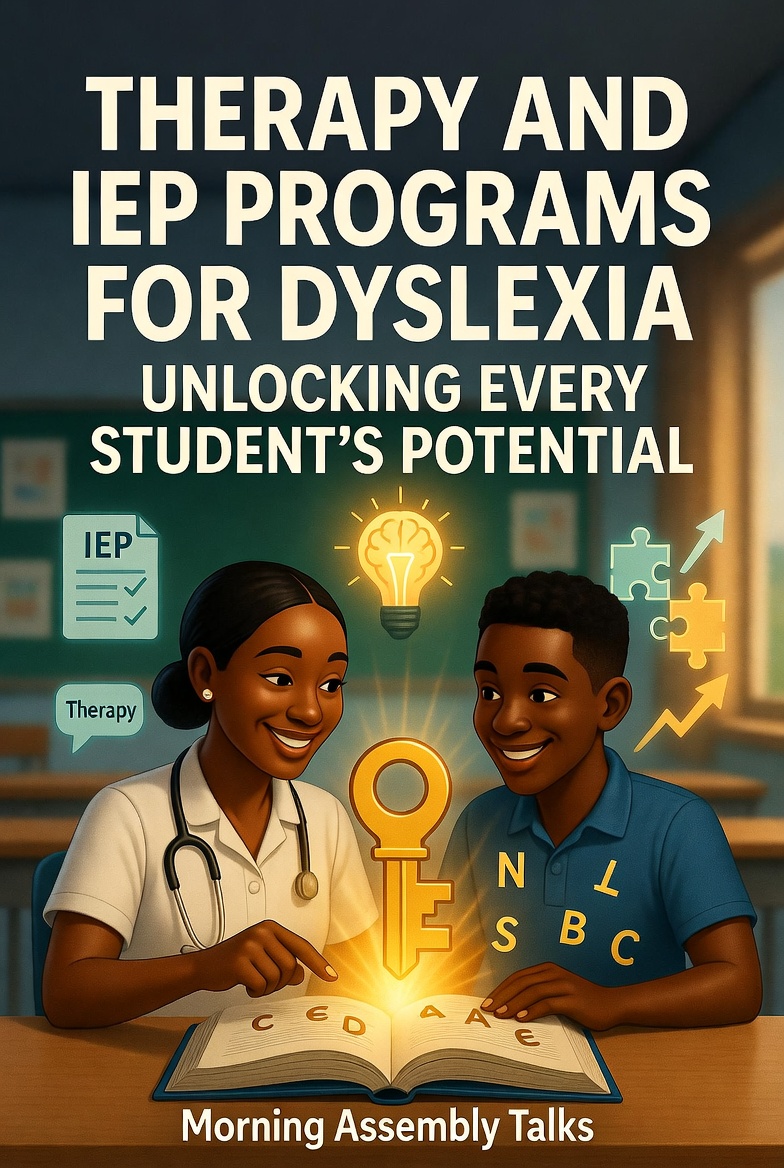
  • Therapy and IEP Programs for Dyslexia: Unlocking Every Student’s Potential

    Therapy and IEP Programs for Dyslexia: Unlocking Every Student’s Potential

    Dyslexia is a learning difference that requires targeted strategies and consistent support. To help students thrive academically and emotionally, structured therapy combined with an Individualized Education Program (IEP) is essential.

    1. Evidence-Based Therapy for Dyslexia

    Therapy focuses on developing specific skills through research-backed approaches. A successful program typically includes:

    • Phonics & Decoding: Connecting letters with sounds and blending them into words.
    • Sight Word Recognition: Strengthening the ability to instantly recognize high-frequency words.
    • Fluency & Comprehension: Guided practice to improve reading speed, accuracy, and understanding.
    • Writing & Spelling Support: Structured exercises to correct patterns and improve clarity.
    • Memory & Sequencing: Training to support short-term memory and following multi-step instructions.
    • Emotional Resilience: Counseling to help students cope with frustration and build self-esteem.

    2. The Power of the Individualized Education Program (IEP)

    An IEP isn’t just paperwork; it’s a personalized roadmap tailored to each student’s unique neurodiversity. A strong IEP includes:

    FeaturePurpose
    Specific GoalsClear targets for reading, writing, and core subjects.
    Custom AccommodationsExtra time, multisensory instruction, or assistive tech.
    Progress MonitoringRegular assessments to ensure the strategies are working.
    Team CollaborationAlignment between teachers, therapists, and support staff.

    Export to Sheets


    3. The Vital Role of Parental Collaboration

    Parental involvement is the “secret sauce” that makes therapy and IEPs stick. When the home and school environments align, the student feels supported 24/7.

    How Parents Can Help:

    • The Feedback Loop: Providing insights into the child’s emotional needs and strengths outside of school.
    • Home Reinforcement: Practicing reading drills and memory exercises in a low-pressure environment.
    • Active Advocacy: Ensuring the school implements the IEP effectively and adjusts it as the child grows.
    • Consistent Encouragement: Boosting the child’s confidence to persist through difficult tasks.

    Conclusion: A Holistic Support System

    Combining targeted therapy, a well-structured IEP, and strong parent collaboration creates a safety net for students with dyslexia. When we work together, these students don’t just “get by”—they discover their unique strengths, build independence, and develop lifelong skills.

    Editor’s Note: Ready to implement these strategies in your classroom? Join the Skills and Career Paths Teachers Hub to access our full library of dyslexia resources and IEP templates.

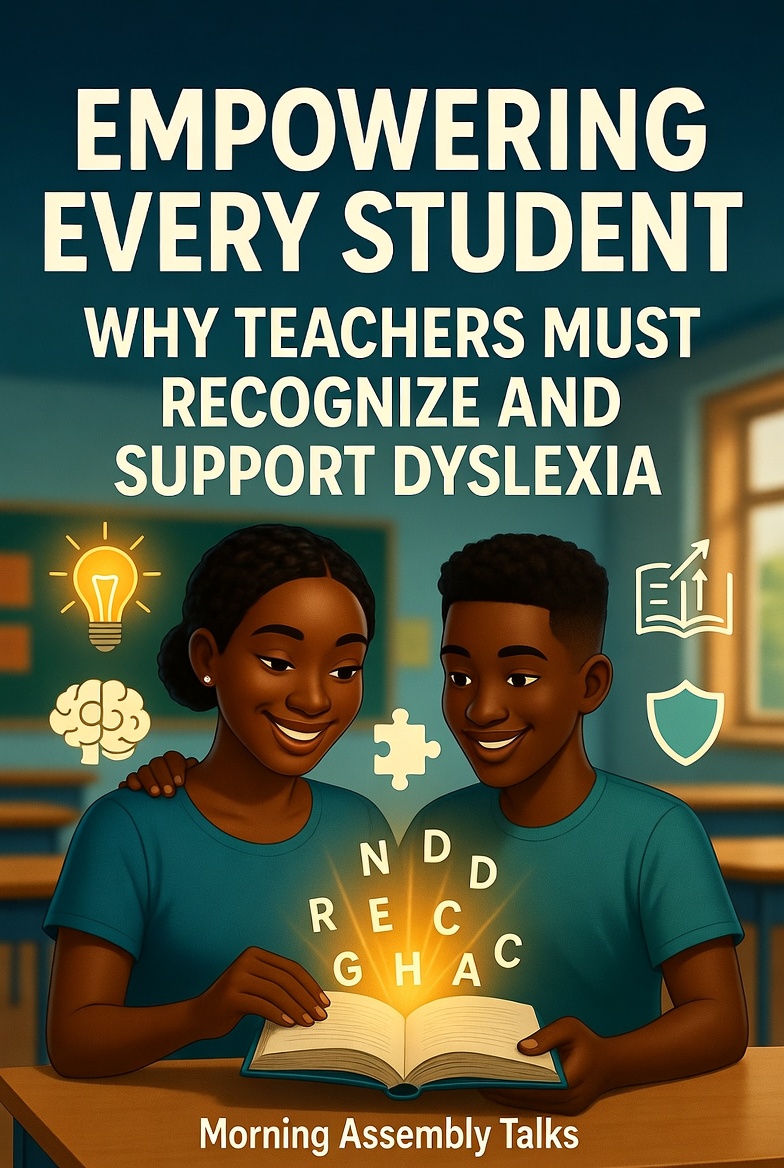
  • Empowering Every Student: Why Teachers Must Recognize and Support Dyslexia

    Empowering Every Student: Why Teachers Must Recognize and Support Dyslexia

    Every classroom has hidden potential waiting to be unlocked—students whose brilliance is masked by challenges in reading, writing, or spelling. To these students, the written word can feel like a barrier rather than a bridge.

    Recognizing the Hidden Signs of Dyslexia

    Many students have dyslexia, a learning difference that is often misunderstood and overlooked. As an educator, you are on the frontlines. You might notice a student who is incredibly bright in discussions but struggles significantly with:

    • Letter Reversals: Frequently flipping letters like ‘b’ and ‘d’.
    • Word Confusion: Struggling with common sight words or mixing up color names.
    • Sequencing Issues: Difficulty following multi-step instructions or ordering events.
    • Reading Avoidance: A noticeable hesitation or anxiety when asked to read aloud.

    Bridging the Training Gap

    While teachers are the first to notice these signs, traditional training rarely equips educators with the specific tools needed to support these learners effectively.

    This is where the Skills and Career Paths Teachers Hub steps in. We help you move from observation to action by:

    1. Understanding the Dyslexic Brain: Learning how these students process information.
    2. Implementing Structured Therapy: Applying evidence-based strategies directly in the classroom.
    3. Integrating IEPs: Creating and managing Individualized Education Programs that produce measurable results.

    “Supporting students with dyslexia goes beyond academics. It’s about building confidence, resilience, and a lifelong love of learning.”


    A Collaborative Approach to Success

    Early intervention can transform a child’s entire life trajectory. However, the teacher cannot do it alone. Success requires a strong partnership with parents to:

    • Reinforce learning strategies at home.
    • Provide consistent, positive feedback.
    • Motivate students to persist through frustrations.

    When teachers, parents, and schools work in harmony, challenges become opportunities—and every student gets the chance to shine.

    Take the Next Step in Your Professional Journey

    Every teacher can be a catalyst for change. By learning to identify the signs and fostering strong parent partnerships, you ensure that no student’s potential is wasted.

    🚀 Join the Community

    [Join the Skills and Career Paths Teachers Hub Today]

    Learn how to empower students with dyslexia, implement effective therapy strategies, and create a classroom where every child thrives academically, creatively, and personally. Your awareness and action can change a student’s life forever.

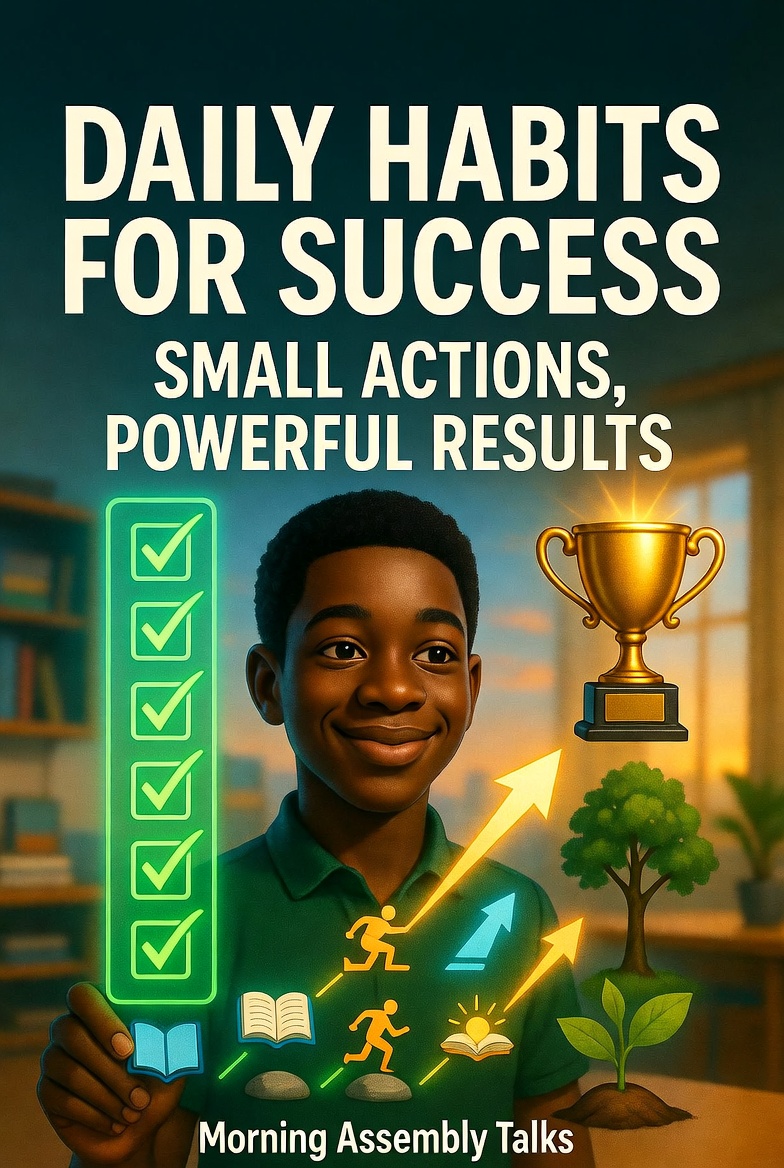
  • The Secret No One Talks About: Why Your Future is Hidden in Your Daily Habits

    The Secret No One Talks About: Why Your Future is Hidden in Your Daily Habits

    Everyone talks about success—top grades, prestigious scholarships, great careers, and public recognition. But very few people talk about how that success is actually built.

    Success is not one big moment. It is not luck, and it is not magic. It is habits—small, repeated actions done every single day.

    “We are what we repeatedly do. Excellence, then, is not an act, but a habit.” — Aristotle

    Imagine two students in the same classroom. They have the same teacher and write the same notes. Yet, months later, one excels while the other struggles. What made the difference? Daily habits.

    The Story of Amina: The Power of Small Changes

    Amina was an average student. She wasn’t the worst, but she wasn’t the best. Her biggest problem was inconsistency. Some days she studied hard; other days, she procrastinated, waiting for “motivation” to strike.

    One day, after a disappointing result, her older sister told her: “You don’t rise to your goals, Amina. You fall to your habits.”

    That sentence changed everything. Amina didn’t become a genius overnight. She didn’t start reading 10 hours a day. She simply adjusted her daily routine:

    • She woke up 20 minutes earlier.
    • She reviewed her notes every evening.
    • She practiced past questions daily.
    • She reduced her distractions.

    At first, nothing seemed different. But weeks later, her understanding improved, her confidence grew, and her results transformed.

    “Success is built quietly, long before it is seen publicly.”


    7 Habits for Daily Success

    1. Win Your Morning

    The way you start your day sets the tone for everything that follows. Instead of rushing or checking your phone immediately, be intentional. Amina began each day by sitting up, taking a deep breath, and telling herself: “Today, I will do my best.”

    “Win the morning, and you win the day.”

    2. Feed Your Mind with Purpose

    Your mind is like a sponge—it absorbs whatever you expose it to. If you feed it negativity and comparison, it becomes weak. Amina swapped unproductive social media time for educational content and reading beyond her class notes.

    “Be careful what you feed your mind—it becomes your reality.”

    3. Practice, Don’t Just Read

    One of the biggest mistakes students make is confusing reading with learning. Amina stopped just re-reading her notes and started active testing. She solved past questions and tested herself without looking at her books. That is when real learning began.

    “Practice makes memory permanent.”

    4. Reflect and Reset Daily

    Every night, Amina asked herself three simple questions:

    • What did I learn today?
    • Where did I struggle?
    • What will I improve tomorrow?

    5. Protect Your Environment

    Success is about who surrounds you. Amina noticed that when she spent time with serious-minded friends, she felt motivated. She made the difficult choice to reduce time with negative influences and seek out better study environments.

    “Your environment shapes your direction.”

    6. Rest and Recharge

    You cannot pour from an empty cup. Amina learned that rest is a requirement for success, not a reward for it.

    • Sleep properly.
    • Take short breaks.
    • Eat nourishing food and drink enough water.

    7. Stay Consistent, Not Perfect

    Some days, Amina didn’t feel like studying. But instead of giving up, she showed up—even if only for 30 minutes.

    “Consistency beats intensity.”


    Conclusion: Your Future is Built Today

    Months later, Amina’s results didn’t just improve—she changed. She became more disciplined, focused, and confident.

    My dear student, look at your daily routine. Reset what needs to be reset, because your future is hidden inside your daily choices. The way you start your day, the way you study, and the way you respond to challenges are quietly building your tomorrow.

    “Success is not what you do occasionally—it is what you do consistently.”

    Start Small, Start Today

    You don’t need to change everything at once. Pick one habit:

    1. Wake up with intention.
    2. Study with focus.
    3. Practice consistently.

    One day, you will look back and realize that the small things you did today created the big success you enjoy tomorrow.


    For more daily inspiration and tools to build your path, visit SkillsandCareerPaths.com.

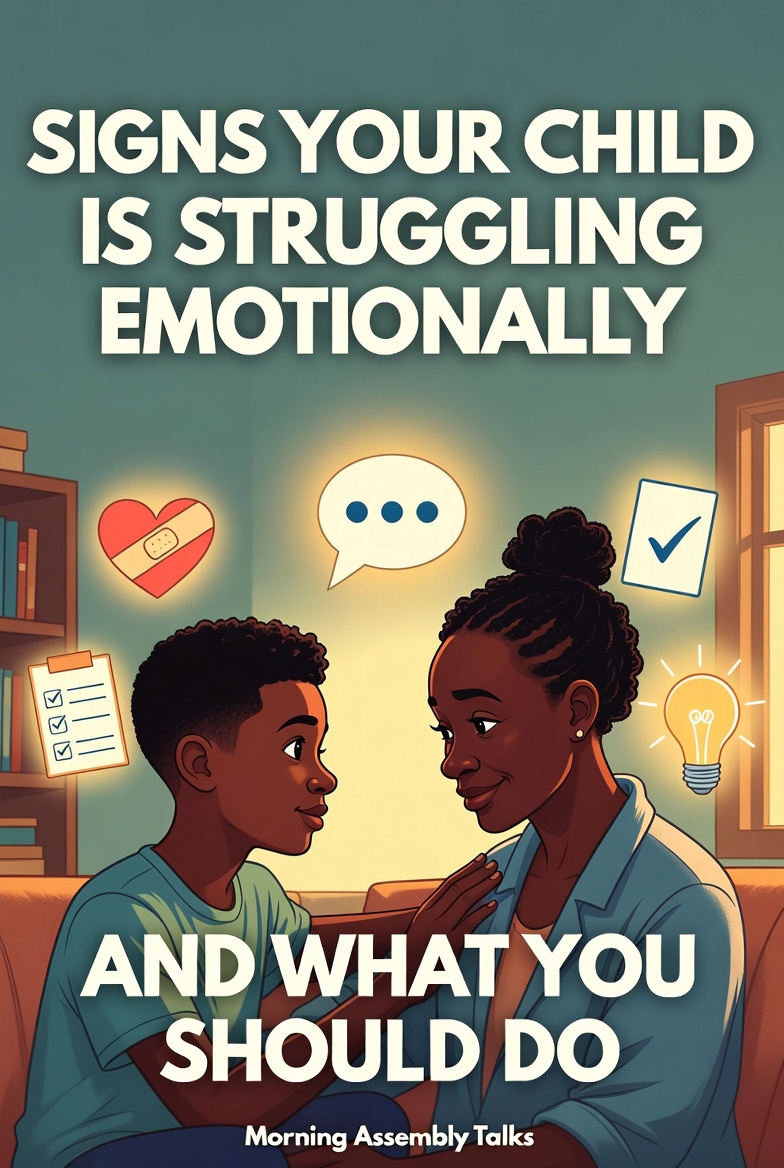
  • The Silent Struggle: How to Recognize and Support Your Child’s Emotional Health

    The Silent Struggle: How to Recognize and Support Your Child’s Emotional Health

    Not all struggles are visible. A child can be neatly dressed, attending school, and even smiling—yet still be hurting deeply inside.

    Emotional struggles in children rarely come with loud announcements. They show up in small changes: a quiet withdrawal, sudden flashes of anger, or unusual shifts in behavior. Many parents miss these signs, not because they don’t care, but because they haven’t been taught what to look for.

    “Children don’t always say ‘I’m hurting.’ Sometimes, they show it in ways we don’t understand.”

    Understanding these signs early can make the difference between a child who suffers in silence and a child who feels seen, heard, and supported.


    Zara’s Story: The Quiet Change

    A mother once noticed her daughter, Zara, had changed. Zara used to be lively—sharing stories and laughing after school. But gradually, she became quiet. She stayed in her room longer and lost interest in her favorite hobbies. Her grades began to slip.

    At first, her mother thought, “It’s just a phase.” Until one evening, Zara said softly: “Mummy, I feel like I’m not good enough anymore.” That moment changed everything. What looked like “normal teenage behavior” was actually deep emotional distress.

    “Sometimes, the biggest cries for help are the quietest ones.”


    7 Warning Signs Your Child is Struggling

    Every child is different, but these are the key red flags that suggest something deeper is happening:

    1. Sudden Change in Behavior: Becoming unusually withdrawn, irritable, or losing interest in activities they once loved.
    2. Academic Decline: A drop in grades or a lack of concentration. This is often not “laziness,” but a sign of being emotionally overwhelmed.
    3. Withdrawal: Spending excessive time alone and avoiding family conversations or social interactions.
    4. Negative Self-Talk: Saying things like “I’m stupid” or “I’m not good enough.”
    5. Physical Changes: Significant shifts in sleep patterns (too much or too little) or changes in appetite.
    6. Increased Sensitivity: Overreacting to small issues or crying more frequently than usual.
    7. Acting Out: Sudden disobedience or aggression. Sometimes, children “misbehave” because they don’t have the words to express their pain.

    “What looks like misbehavior may actually be a cry for help.”


    Understanding the Triggers

    Understanding the why helps you respond with grace. Common triggers for emotional distress include:

    • Heavy academic pressure or fear of failure.
    • Comparison with high-achieving peers or siblings.
    • Bullying or social challenges at school.
    • High family expectations or conflict at home.
    • Social media influence and self-image issues.

    How to Be the Support Your Child Needs

    1. Create a Safe Space

    Let your child know they can talk to you without fear of punishment. Use open-ended questions like, “How are you really feeling today?”

    “A child who feels safe will speak; a child who feels judged will hide.”

    2. Listen Deeply, Not Quickly

    Sometimes, children don’t need a lecture or a solution—they just need to be heard. Maintain eye contact, be patient, and validate their feelings by saying: “I understand why that would make you feel that way.”

    3. Reduce Pressure, Increase Support

    Focus on their effort rather than just their results. Encourage progress over perfection.

    4. Collaborate with Professionals

    Don’t be afraid to reach out to teachers and school counselors. They see your child in a different environment and can offer valuable insights. If signs persist, seeking the help of a psychologist or counselor is a sign of wisdom, not weakness.


    What NOT to Do: Common Mistakes

    • Ignoring the signs: Assuming “they’ll be fine” or “it’s just a phase.”
    • Blaming: Shouting at them for their behavior or grades.
    • Minimizing: Dismissing their feelings as “unimportant” or “small.”

    “Minimizing a child’s feelings doesn’t make them disappear—it makes them deeper.”


    Conclusion: Your Presence is Your Power

    Dear parent, your child does not need a perfect parent. They need a present one. They need someone who notices, listens, and supports. Sometimes, all it takes to change a child’s emotional world is the simple act of being truly seen.

    “Behind every emotionally strong child is a parent who chooses to listen.”


    For more resources on nurturing your child’s growth and mental health, visit SkillsandCareerPaths.com.

  • Your Name is Your Superpower: A Student’s Guide to Personal Branding

    Your Name is Your Superpower: A Student’s Guide to Personal Branding

    Your name is more than just a label—it’s your story, your reputation, and your superpower. Personal branding isn’t just for influencers or CEOs; it’s about showing the world who you are, what you stand for, and how you show up consistently every single day.

    “Your brand is what people say about you when you’re not in the room.” — Jeff Bezos

    Why Students Should Care About Their Brand

    In a world full of high-achieving students, your brand is what sets you apart. Here is why it matters now:

    • Stand Out: Grades are important, but your personal story and values are what make you truly memorable to teachers and recruiters.
    • Attract Opportunities: Scholarships, internships, and mentorships naturally follow students who demonstrate consistency and authenticity.
    • Build Confidence: Knowing who you are helps you navigate difficult challenges and make bold career choices.
    • Grow Your Network: A strong brand acts like a magnet, drawing the right mentors, friends, and collaborators to your journey.

    Inspiration: Icons Who Built Powerful Brands

    The Stars You Follow

    • Davido: Beyond the music, his brand is built on youth empowerment and philanthropy, showing how clear values shape global influence.
    • Tems: By staying 100% authentic to her unique sound, she became a global icon, proving that individuality is a strength.
    • Rema: His consistent, signature creative style turned raw talent into international recognition.

    The Leaders Who Pave the Way

    • Tony Elumelu: Built a brand around “Africapitalism” and impact, proving that consistency and a vision for others can change a continent.
    • Folorunsho Alakija: Known for her resilience and strategic influence in the oil and fashion industries.
    • Oprah Winfrey: Her brand of empathy and authenticity made her one of the most influential media leaders in history.
    • Elon Musk: Known for innovation and risk-taking, demonstrating how a bold vision can open doors to global influence.

    “Your personal brand is your story—make it worth sharing.”


    How to Build Your Brand as a Student

    You don’t need a marketing team to build a brand. You just need a plan:

    1. Know Yourself: Identify your specific strengths, passions, and core values.
    2. Be Consistent: Ensure your actions, words, and achievements all point in the same direction.
    3. Show Your Skills: Don’t just talk—share your projects, talents, or creative works with the world.
    4. Stay Authentic: People connect with “real,” not “perfect.” Be yourself.
    5. Network Wisely: Surround yourself with people who lift you higher and reflect the brand you want to build.

    A Real-Life Example: Chika the Coder

    Chika, a young student, didn’t just study coding; she shared her small projects online and consistently helped her peers solve bugs. When scholarship opportunities arrived, her “brand” as a talented, helpful, and dedicated leader made her stand out—even more than her straight-A grades.


    The Takeaway

    “Your personal brand is not built in a day, but it is built every day.”

    Start today. Define who you are, show up consistently, and share your story. The best version of you is also your strongest brand. Go out and make your name mean something great.


    Ready to define your path? Visit SkillsandCareerPaths.com for more tools to build your future.

  • When Grades Fall Short: A Parent’s Guide to Supporting a Struggling Student

    When Grades Fall Short: A Parent’s Guide to Supporting a Struggling Student

    As a parent, seeing your child struggle academically can be stressful and worrisome. You might feel frustrated, disappointed, or even unsure of how to help. But remember: poor grades do not define your child’s potential. What matters most is how you respond and guide them through these challenges.

    “It’s not about how you fall; it’s about how you get back up.”

    Here is a step-by-step guide to supporting your child effectively and turning academic setbacks into growth opportunities.


    1. Stay Calm and Avoid Blame

    Your first reaction shapes how your child feels about learning. If you react with anger, they may begin to associate school with fear.

    • Avoid scolding or comparing them to siblings or classmates.
    • Approach the situation with understanding and empathy.

    “Encouragement fuels effort; criticism fuels fear.”

    2. Identify the Root Cause

    Poor performance is usually a symptom of an underlying issue. Take the time to explore the “why”:

    • Is a specific subject too challenging?
    • Are they distracted or disengaged?
    • Could there be an undiagnosed learning difficulty, such as dyslexia?
    • Are there emotional issues or social pressures affecting their focus?

    Talk to your child openly. Sometimes, simply feeling heard by a parent can make a massive difference in their motivation.

    3. Collaborate with Teachers

    Teachers see a side of your child’s academic life that you don’t. Schedule a meeting to:

    • Ask about their classroom participation and behavior.
    • Identify specific topics that need extra attention.
    • Create a unified plan between home and school.

    “Collaboration between home and school strengthens learning.”


    4. Build a Structured Study Routine

    A clear, predictable routine helps a struggling child regain their focus.

    • Set specific times for homework and revision.
    • The Pomodoro Technique: Break study sessions into manageable chunks (e.g., 25–30 minutes).
    • Include breaks: Short periods of rest prevent burnout and help memory retention.

    5. Lean Into Their Learning Style

    Not every child learns the same way. Tailor your support to fit how their brain works:

    • Visual Learners: Use diagrams, charts, and mind maps.
    • Auditory Learners: Encourage reading aloud or discussing topics together.
    • Kinesthetic Learners: Use hands-on exercises and practical practice questions.

    “Study smart, not just hard.”


    6. Celebrate the “Small Wins”

    Academic success is a mountain climbed one step at a time. Celebrate:

    • Completing a difficult assignment on time.
    • Finally understanding a concept they used to struggle with.
    • A small improvement in a weekly quiz. Positive reinforcement builds the confidence needed to tackle bigger challenges.

    7. Normalize Asking for Help

    If the material is beyond what you can help with, don’t hesitate to seek outside resources:

    • Enroll them in targeted tutoring or extra lessons.
    • Use educational apps or reputable online resources.
    • Encourage study groups with focused peers.

    “Asking for help is a strength, not a weakness.”


    8. Foster a Growth Mindset

    Teach your child that intelligence is not a “fixed” trait, but a muscle that grows. Help them replace “I can’t” with the power of “Yet.”

    • Mistakes are opportunities to learn.
    • Hard work improves abilities.
    • Improvement is always possible with persistence.

    9. Monitor and Adjust

    Academic support is not a “set it and forget it” task.

    • Review their progress weekly.
    • Be willing to adjust study methods if something isn’t working.
    • Keep the lines of communication open and kind.

    Conclusion

    Seeing your child struggle is challenging, but your response matters more than the setback itself. With calm guidance, structured support, and emotional encouragement, you can help your child thrive.

    “It’s not the grades they get today, but the habits, resilience, and confidence they build that shape their future.”


    For more resources on supporting your child’s educational journey, visit SkillsandCareerPaths.com.

  • The Mirror of the Mind: Building Unshakeable Self-Esteem

    The Mirror of the Mind: Building Unshakeable Self-Esteem

    Good morning, great students.

    Imagine for a moment that you are carrying a backpack.
    Not an ordinary one—but a backpack filled with every word ever spoken about you… every grade you’ve received… every mistake you wish you could erase.

    For some of you, that backpack feels light.
    For others, it feels heavy—like it’s filled with stones, pulling your confidence down with every step.

    That weight… is your self-esteem.

    But listen carefully:
    Self-esteem is not about being louder, smarter, or more popular than others.
    It is the quiet, powerful voice within you that says:

    “I am enough—not because I am perfect, but because I am growing.”

    The Battle Within: Two Voices

    Inside your mind, there are two voices speaking every day.

    The Inner Critic whispers:

    “You’re not good enough. You failed again. Everyone is watching you.”
    But there is another voice—stronger, wiser, kinder.

    The Inner Ally says:

    “Yes, you struggled… but you are learning. And your worth has not changed.”

    The question is not which voice exists.
    The question is: Which one are you feeding?

    “You become what you believe about yourself.”

    When you give the Critic the microphone, your confidence shrinks.
    When you empower the Ally, your confidence grows.

    The Comparison Trap

    We live in a world of filters, highlights, and perfection on screens.

    You scroll… and suddenly:

    Someone looks better

    Someone seems smarter

    Someone appears more successful.

    But here is the truth:

    “Never compare your behind-the-scenes to someone else’s highlight reel.”
    What you see online is edited.
    What you feel inside is real.

    Theodore Roosevelt once said:
    “Comparison is the thief of joy.”

    When you compare, you don’t grow—you shrink.

    You are not in competition with anyone.
    You are in development with yourself.

    Grow Like a Tree

    Your self-esteem should be like a tree with deep roots.

    When others succeed, the tree does not shake with jealousy.
    It stands firm, grounded, and continues to grow at its own pace.

    “Be rooted in your worth, not in other people’s opinions.”
    Three Powerful Steps to Build Your Self-Esteem

    1. Guard Your Circle
      Surround yourself with people who lift you up—not those who tear you down.

    “Walk with the wise, and you become wise.”

    Choose radiators, not drains.

    1. Use the Power of “Yet”
      Stop saying:

    “I can’t do this.”

    Start saying:

    “I can’t do this… yet.”

    That one word—yet—opens the door to growth.

    “I am not there yet, but I am closer than I was yesterday.”

    1. Celebrate Small Wins
      Did you try today?
      Did you improve—even a little?
      Did you help someone?

    That is success.

    “Small progress is still progress.”

    Confidence is built in small victories repeated daily.

    The Truth About Your Worth

    Listen carefully:

    Your value is not in your grades alone but in your innate skills and talents.
    Your value is not in people’s opinions.
    Your value is not in your mistakes.

    Your value is built into you.

    Eleanor Roosevelt said:
    “No one can make you feel inferior without your consent.”

    Stop giving others permission to define you.

    The Closing: Your Unique Blueprint

    You were not created to copy someone else.
    You were created with a unique blueprint—a design that the world has never seen before.

    There is a level of greatness that only you can reach.

    “Be yourself; everyone else is already taken.”

    So today, walk with confidence.
    Speak to yourself with kindness.
    Carry your story with pride.

    And remember:

    “The most important voice you will ever hear… is your own.”

    Go out today and be unapologetically, confidently, and powerfully you, the only You, that you have.