
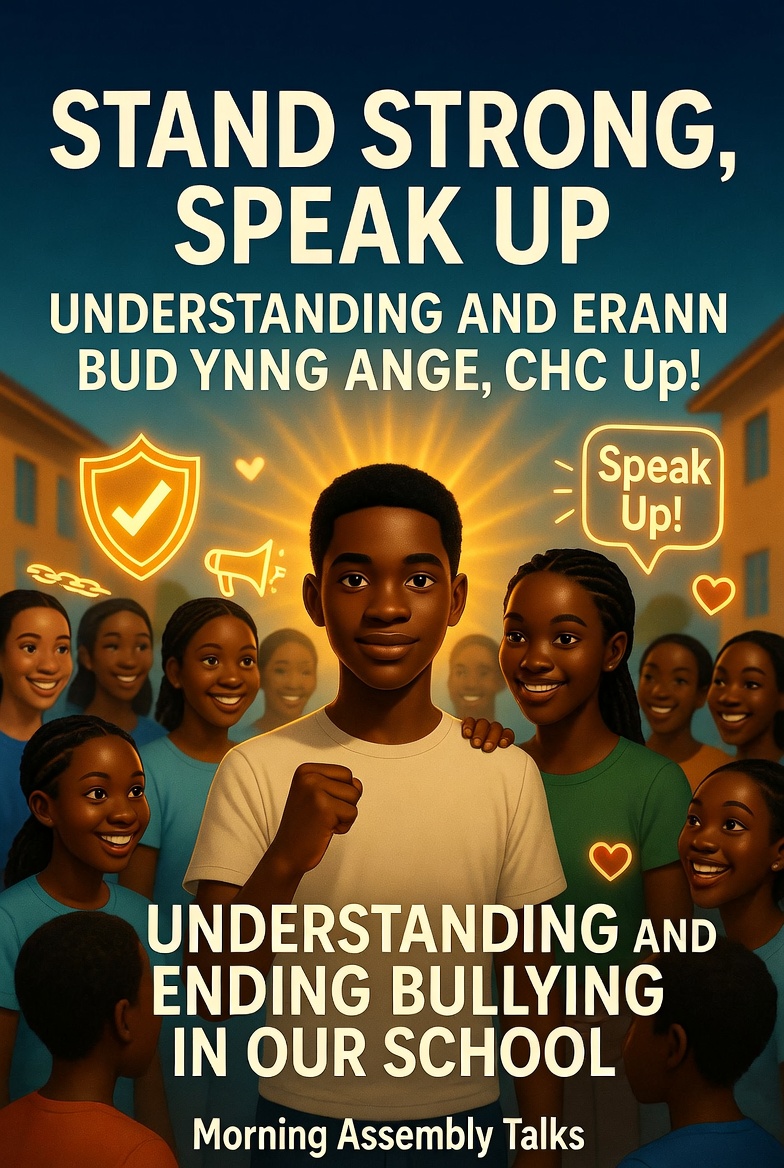
Bullying is one of the most serious challenges in schools today. It is defined as repeated aggressive behavior that can hurt someone physically, emotionally, or socially. Bullying isn’t just one thing; it happens through words, physical actions, social exclusion, or online (cyberbullying).
“We realize the importance of our voices only when we are silenced.” — Malala Yousafzai
🚩 Symptoms: How to Tell if Someone Is Being Bullied
Students who are bullied often show subtle signs. It is important for peers and teachers to look out for these changes:
- Emotional Signs: Increased anxiety, sadness, frequent crying, or a sudden drop in self-esteem.
- Behavioral Signs: Avoiding school, skipping certain classes, or a sudden loss of interest in friends and hobbies.
- Physical Signs: Unexplained bruises, scratches, torn clothing, or “losing” belongings frequently.
- Academic Signs: A noticeable drop in grades, inability to concentrate, or lack of participation in class.
Example: A student who previously loved group activities may suddenly refuse to join games or stay quiet during class discussions.
🚫 Rules Against Bullying in Schools
To ensure every student feels safe, schools maintain strict policies. Understanding these rules is the first step toward a better environment:
- Respect Everyone: Value others regardless of differences in ability, culture, or appearance.
- Zero Physical Violence: Hitting, pushing, or threatening is strictly prohibited.
- No Verbal Abuse: Insults, name-calling, and mocking are unacceptable.
- Anti-Social Exclusion: Purposely leaving someone out to hurt them is a form of bullying.
- Report and Support: Students are encouraged to report incidents to teachers or counselors immediately.
“Do your little bit of good where you are; it’s those little bits of good put together that overwhelm the world.” — Desmond Tutu
💪 A Message for the Bullied
If you are being targeted, please hold onto these truths:
- It is not your fault. You did nothing to deserve this treatment.
- You are valuable. Your worth is not defined by someone else’s unkindness.
- Speaking up is a sign of strength. Reporting bullying is not “tattling”—it is an act of courage that protects you and others.
Action Step: Seek help from a teacher, counselor, or a trusted adult. You don’t have to carry this alone.
🤝 A Message for the Bully
If you have participated in bullying, it is never too late to take a different path:
- You can change. Your past actions do not have to define your future.
- Empathy is a skill. Learning to understand how others feel will make you a stronger leader.
- Apologizing is brave. It takes more “toughness” to admit a mistake and seek guidance than it does to put someone else down.
✨ Building a Safe and Caring School
We all play a part in the atmosphere of our hallways. We can build a better community by:
- Treating every classmate with kindness.
- Actively including those who are standing alone.
- Speaking out (or telling an adult) when we witness bullying.
- Supporting classmates who are going through a hard time.
“You must be the change you wish to see in the world.” — Mahatma Gandhi
Final Thought
Bullying harms the entire school community—the bullied, the bully, and the bystanders. But together, with courage and empathy, we can make our school a place where everyone thrives.
Stand strong. Speak up. Respect all.